
Commercial roofing in North Charleston, SC
Roof Systems
North Charleston, SC
Explore Roof Systems
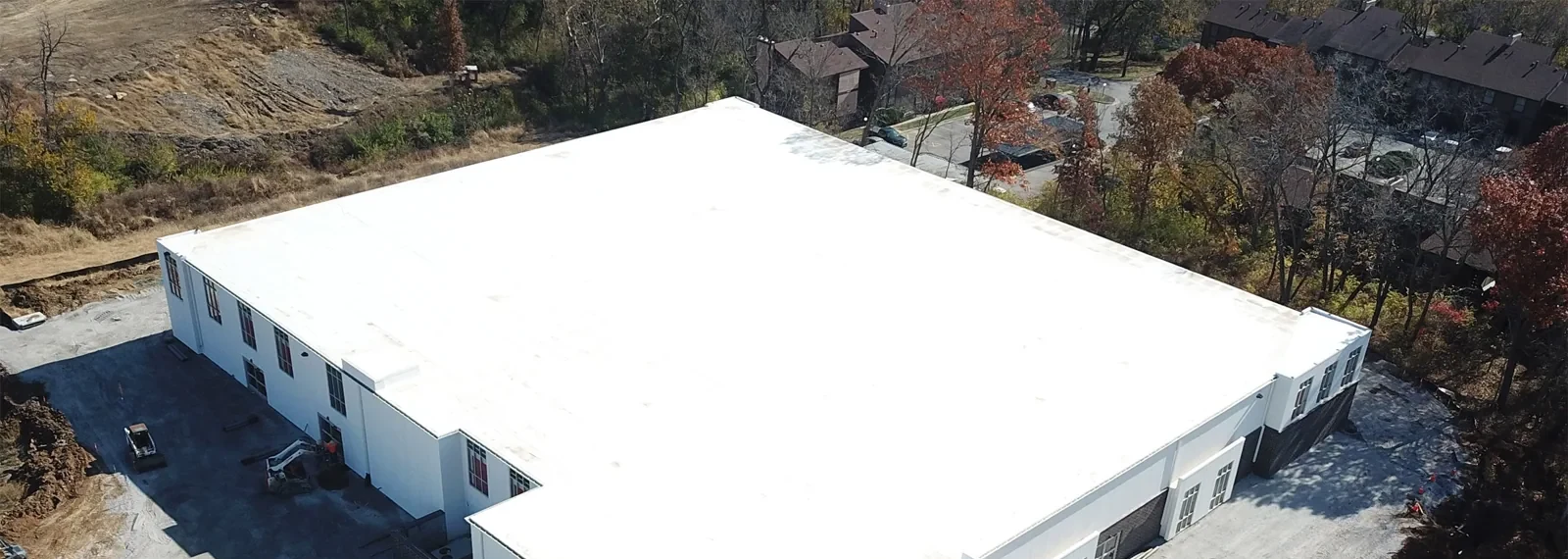
TPO Roofing
Plan TPO roof repair, replacement, or recovery in North Charleston with seam checks, drainage review, and a work sequence matched to site access.
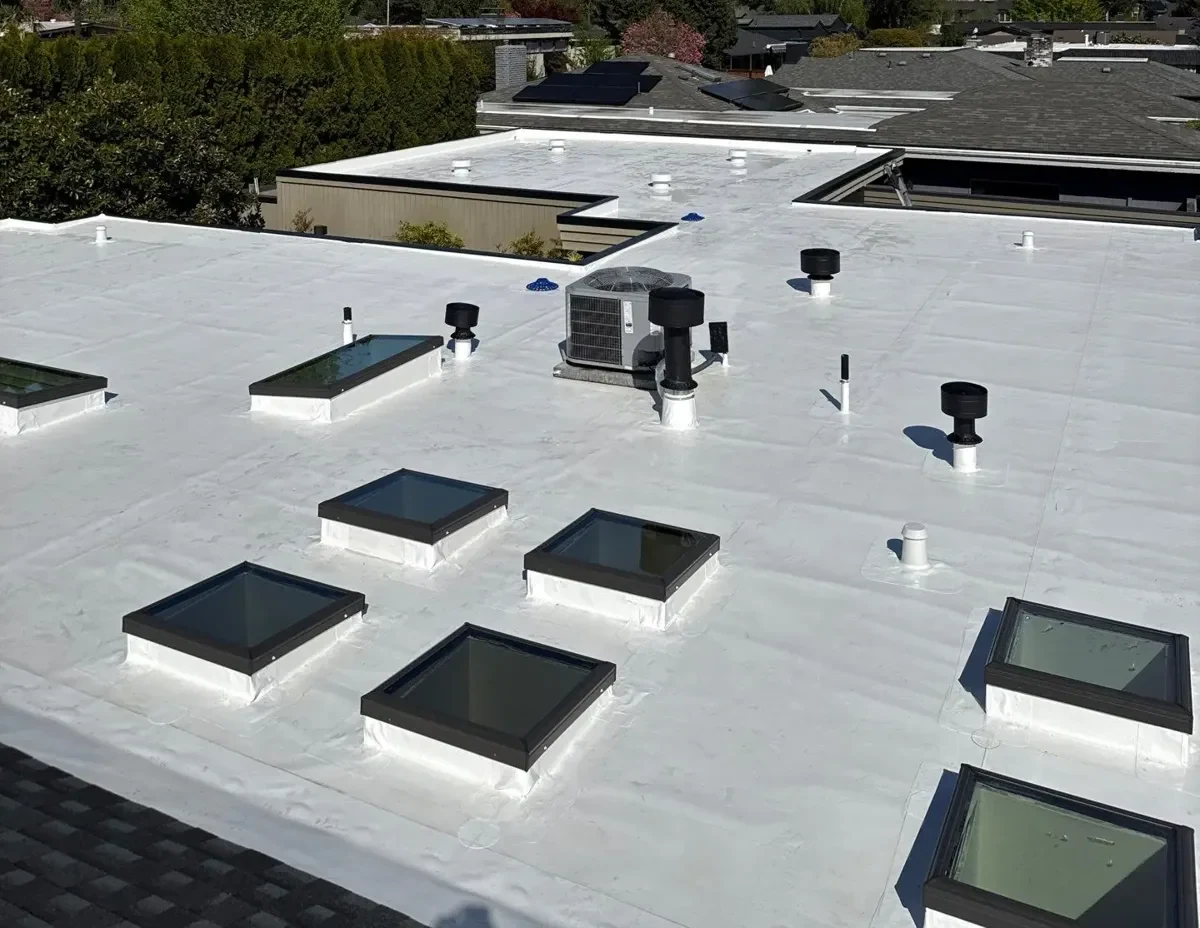
PVC Roofing
Review PVC roof seams, flashing, repair limits, and replacement choices in North Charleston, with work staged around access and operating hours.
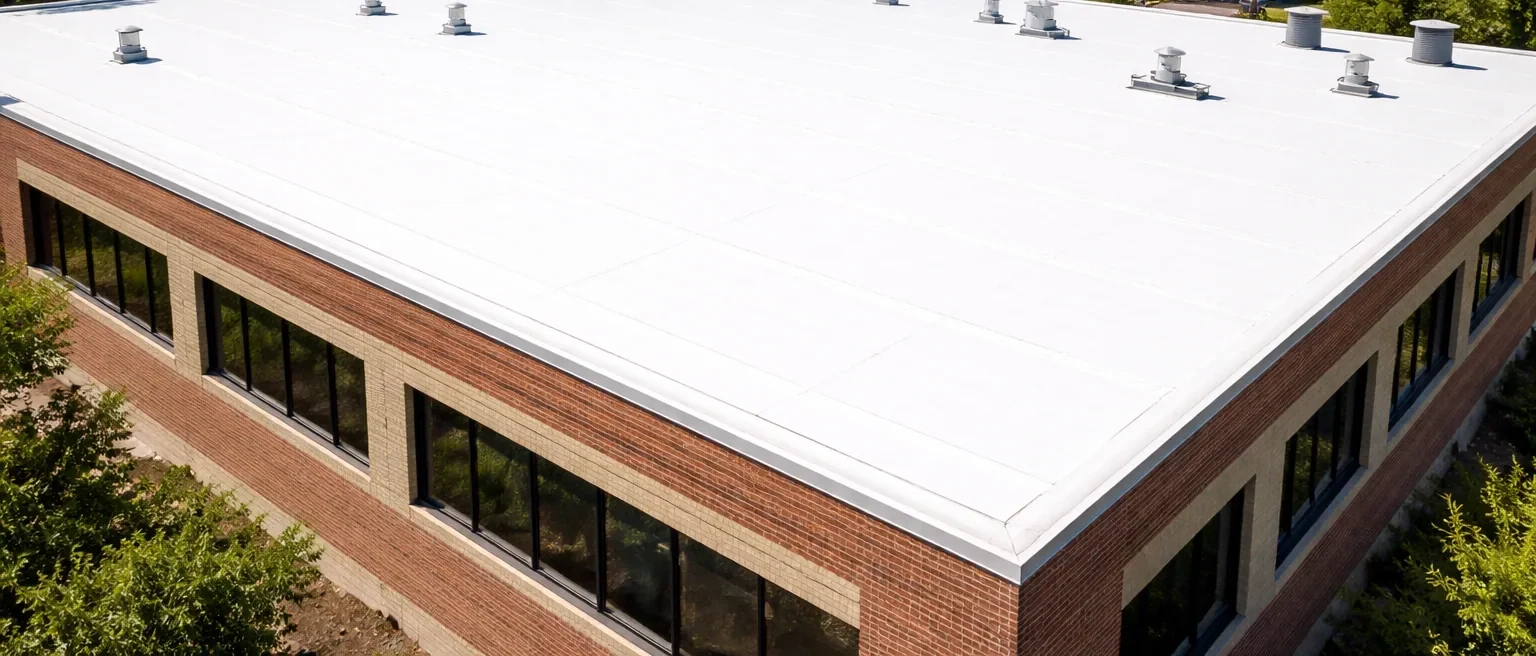
EPDM Roofing
Inspect EPDM seams, flashing, and attachment in North Charleston, then compare a defined repair, recovery, or replacement with a clear roof access sequence.
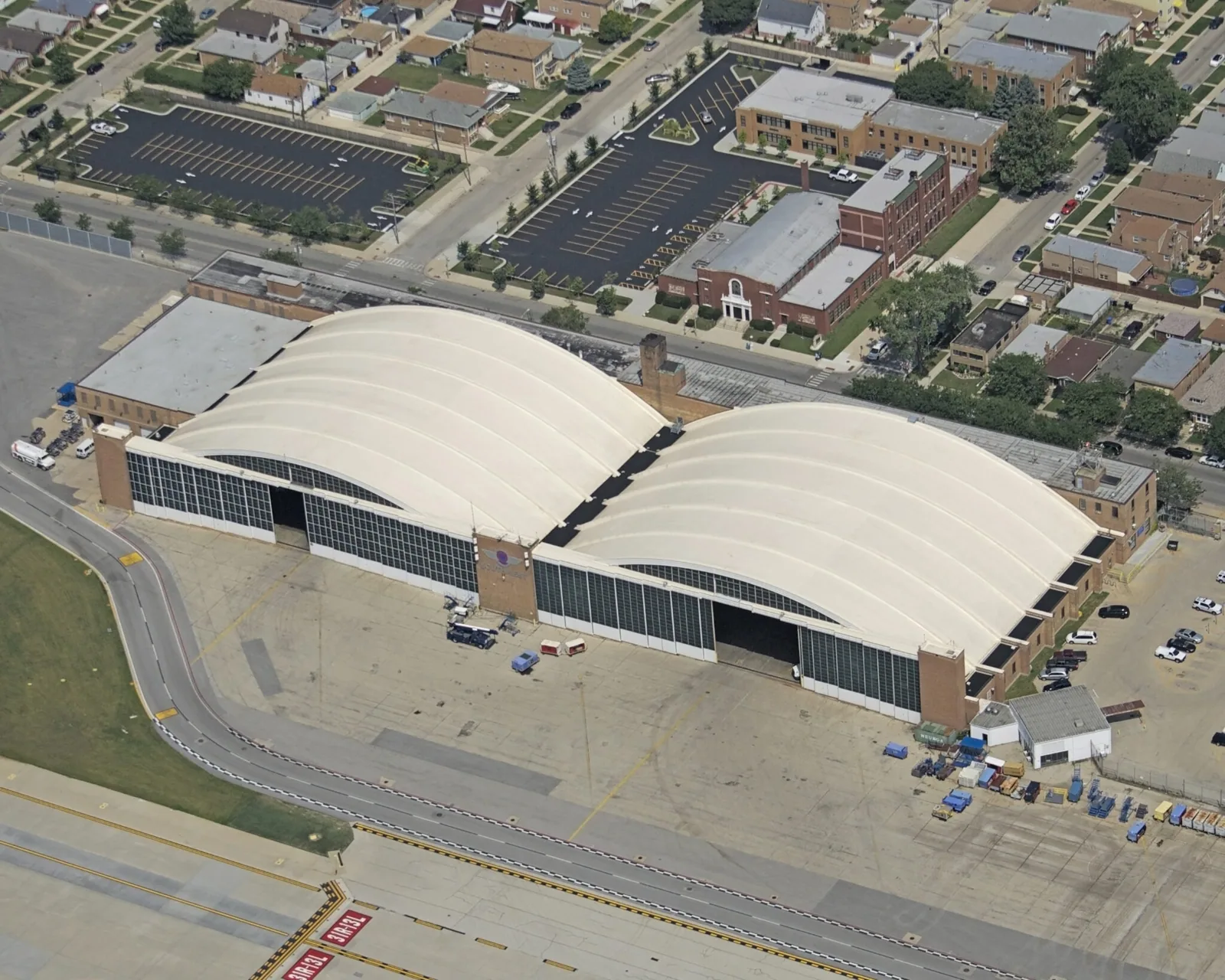
KEE Roofing
Review KEE roofing seams, transitions, and repair choices in North Charleston, with an inspection record and crew sequence matched to building access.
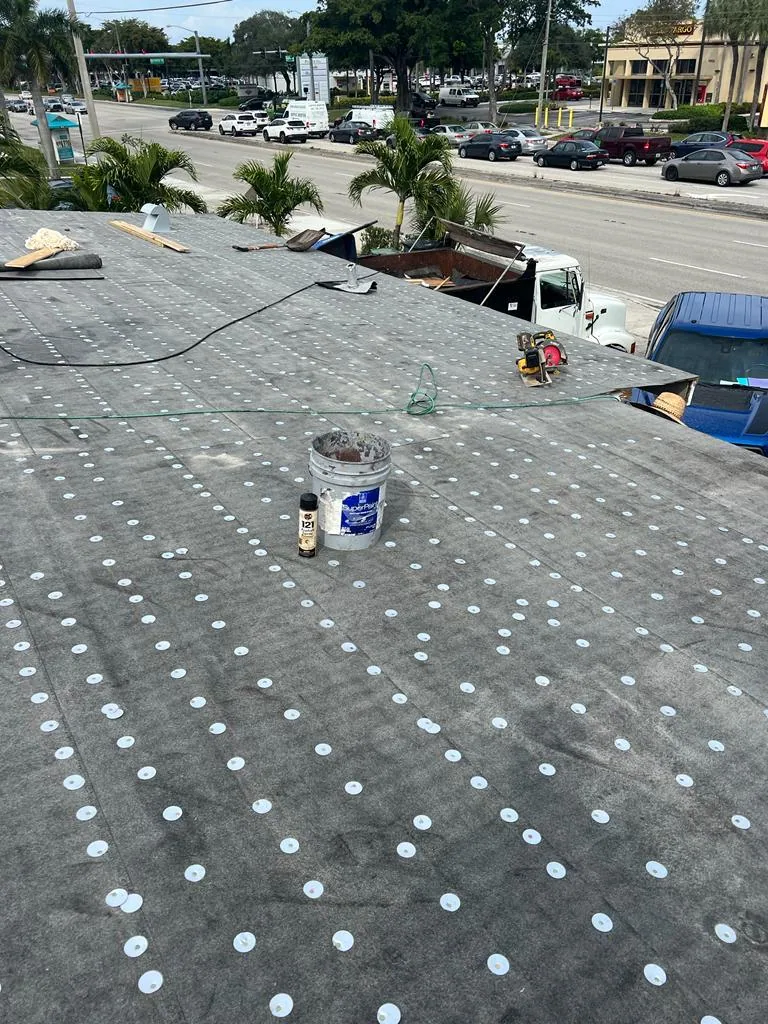
Modified Bitumen Roofing
Review modified bitumen seams, surfacing, and repair options in North Charleston, with a section-by-section plan for access and weather holds.
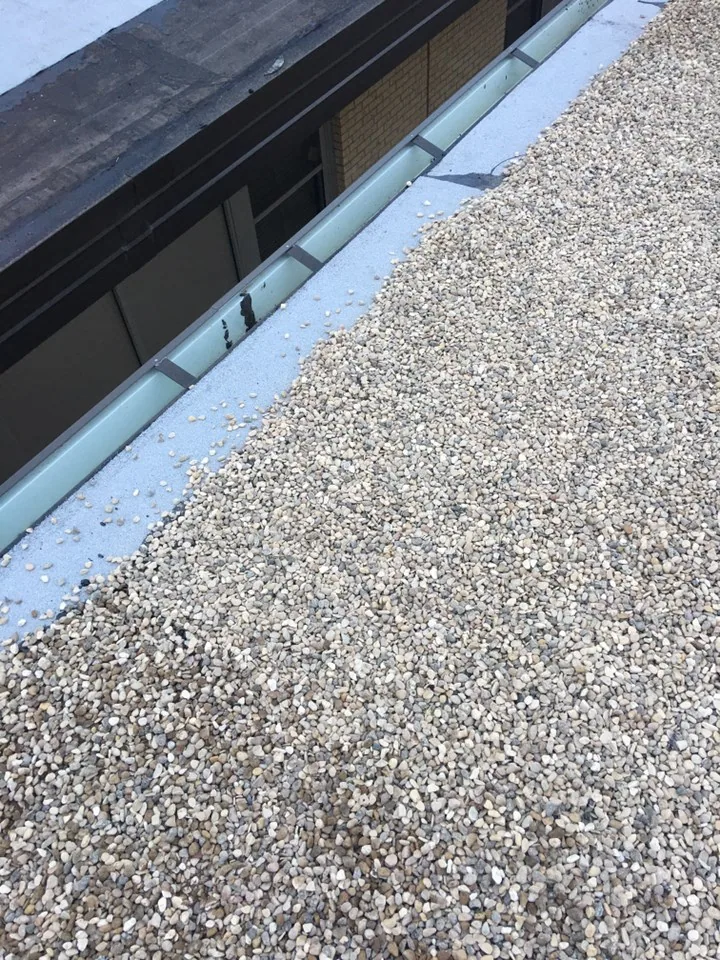
Built-Up Roofing
Inspect built-up roof surfacing, plies, and drainage in North Charleston, then compare repairs with a recover or replacement phased to building access.
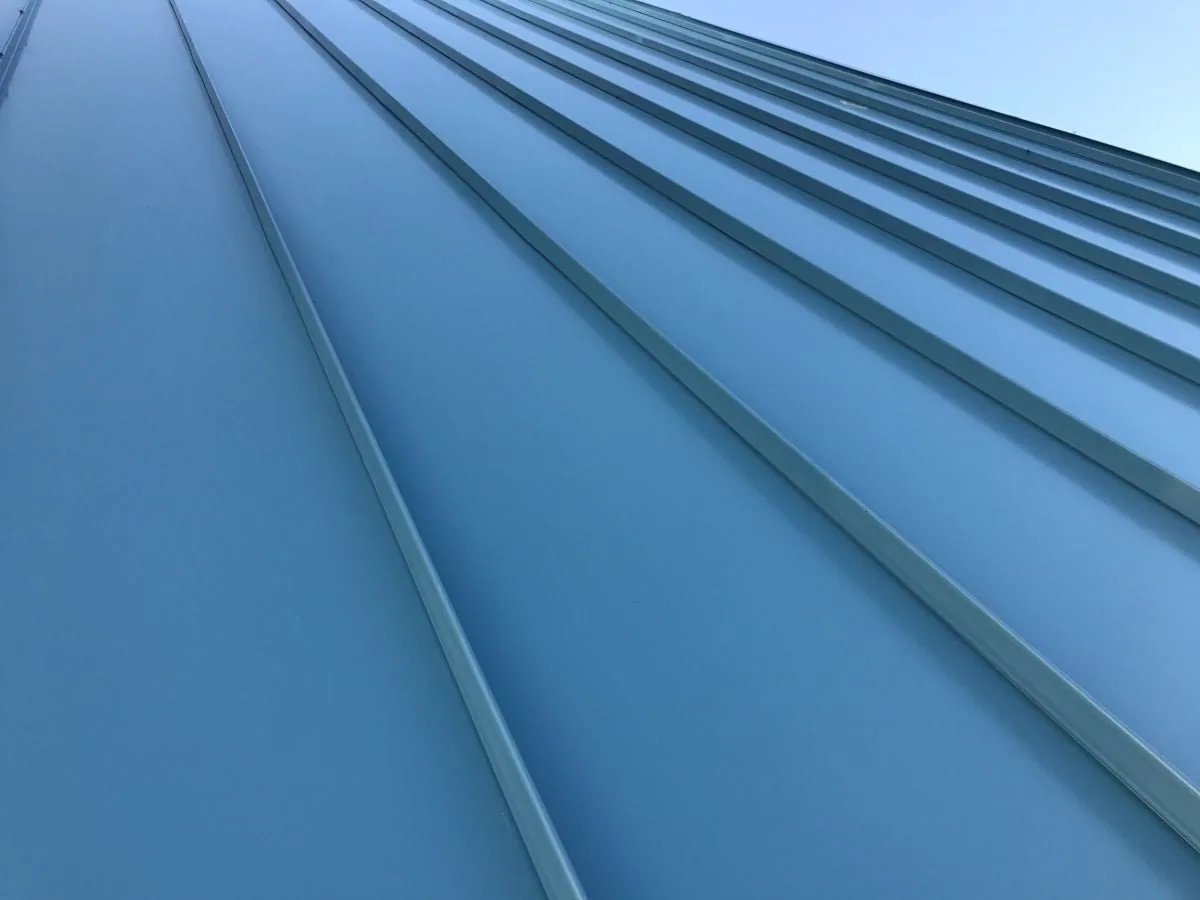
Standing Seam Metal Roofing
Inspect standing seam panels, clips, flashings, and corrosion in North Charleston, then plan repair or replacement around panel runs and roof access.
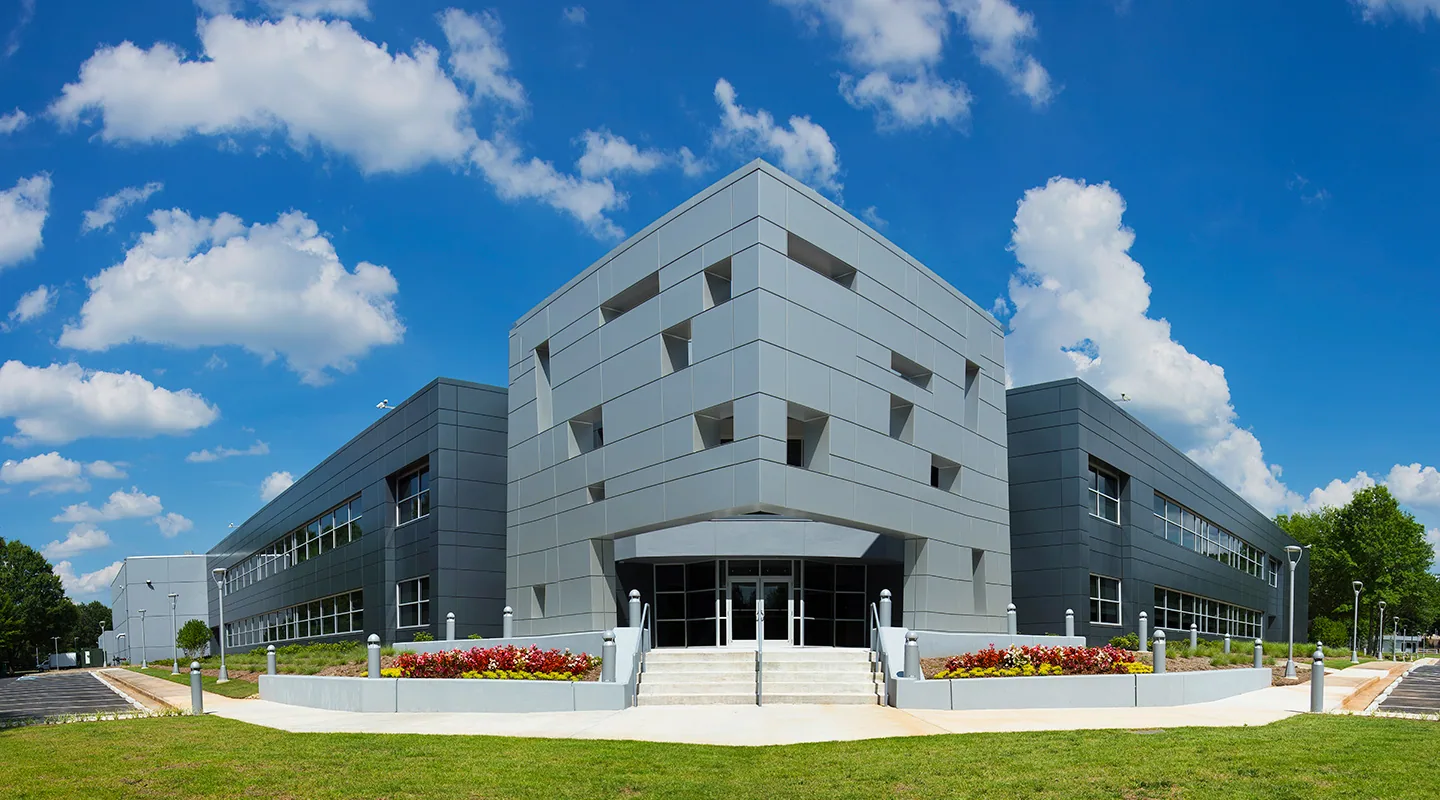
Exposed-Fastener Metal Roof Retrofit
Assess exposed-fastener metal roofs for leaks, fastener movement, panel wear, flashing gaps, and retrofit options in North Charleston, SC.
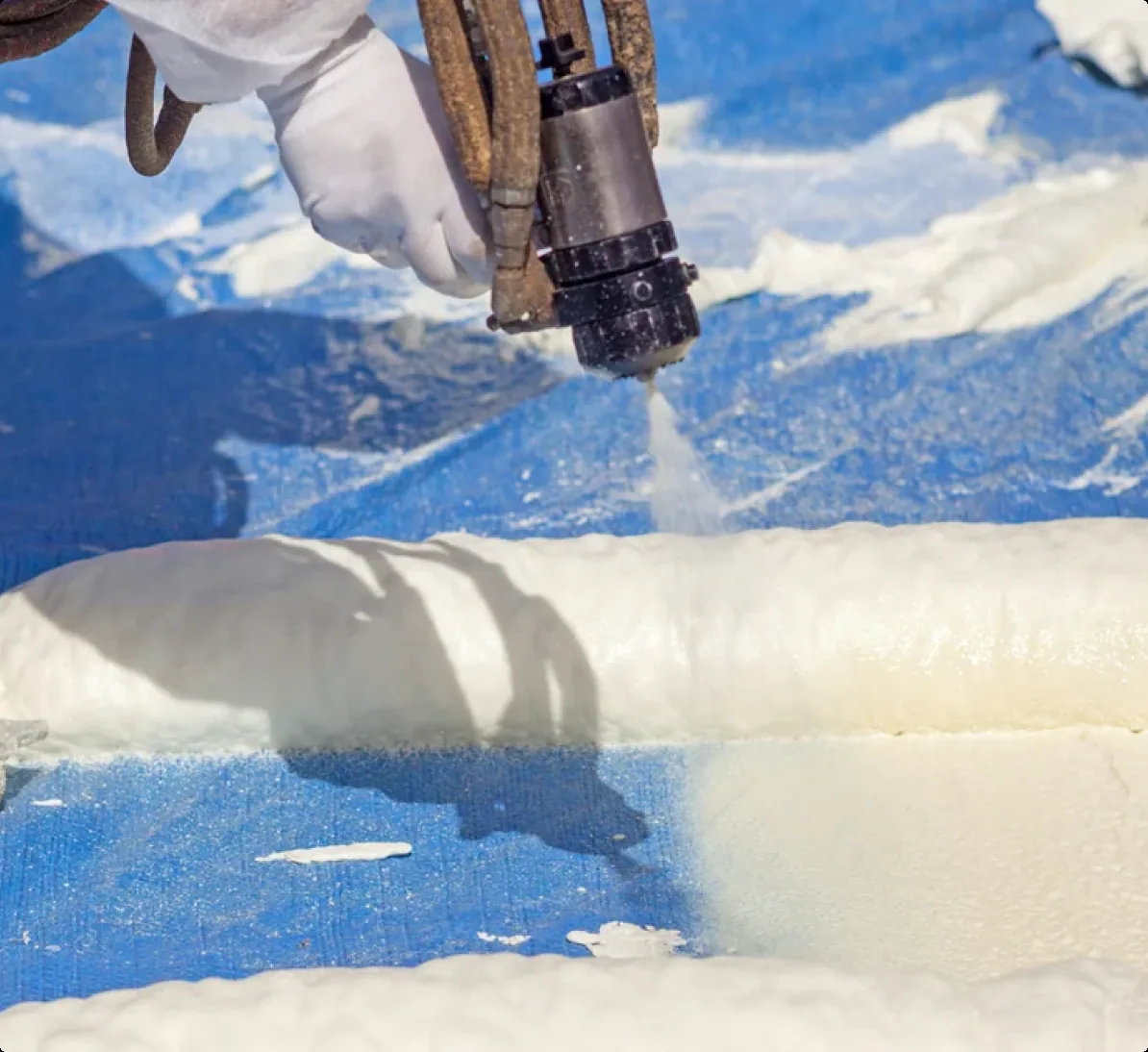
Spray Polyurethane Foam Roofing
Inspect and restore commercial spray foam roofs with a plan for drainage, access, and closeout for North Charleston properties, with documented work planning.
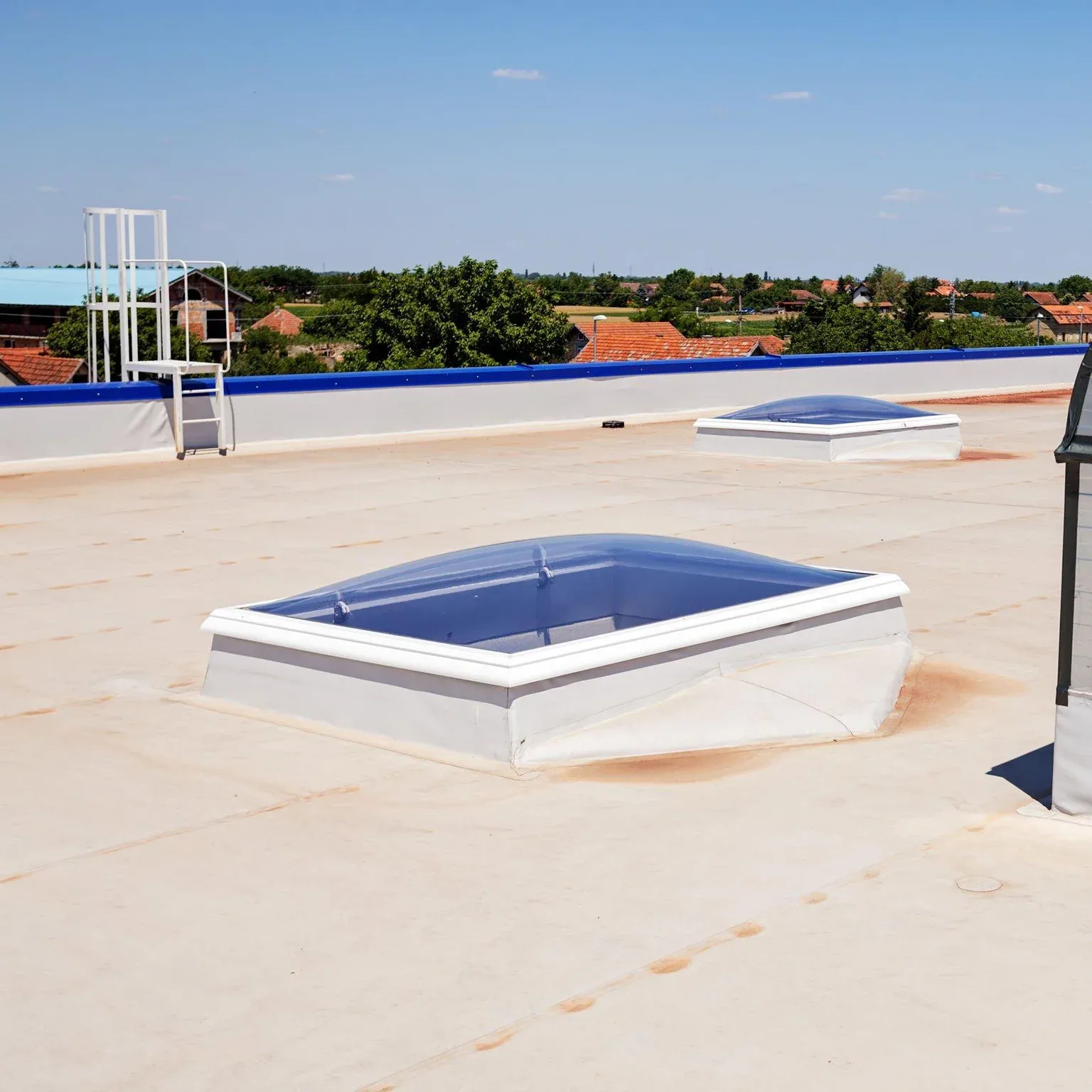
Silicone Roof Coatings
Evaluate commercial silicone roof coatings, repairs, drainage, and surface preparation for low-slope buildings throughout North Charleston, SC.
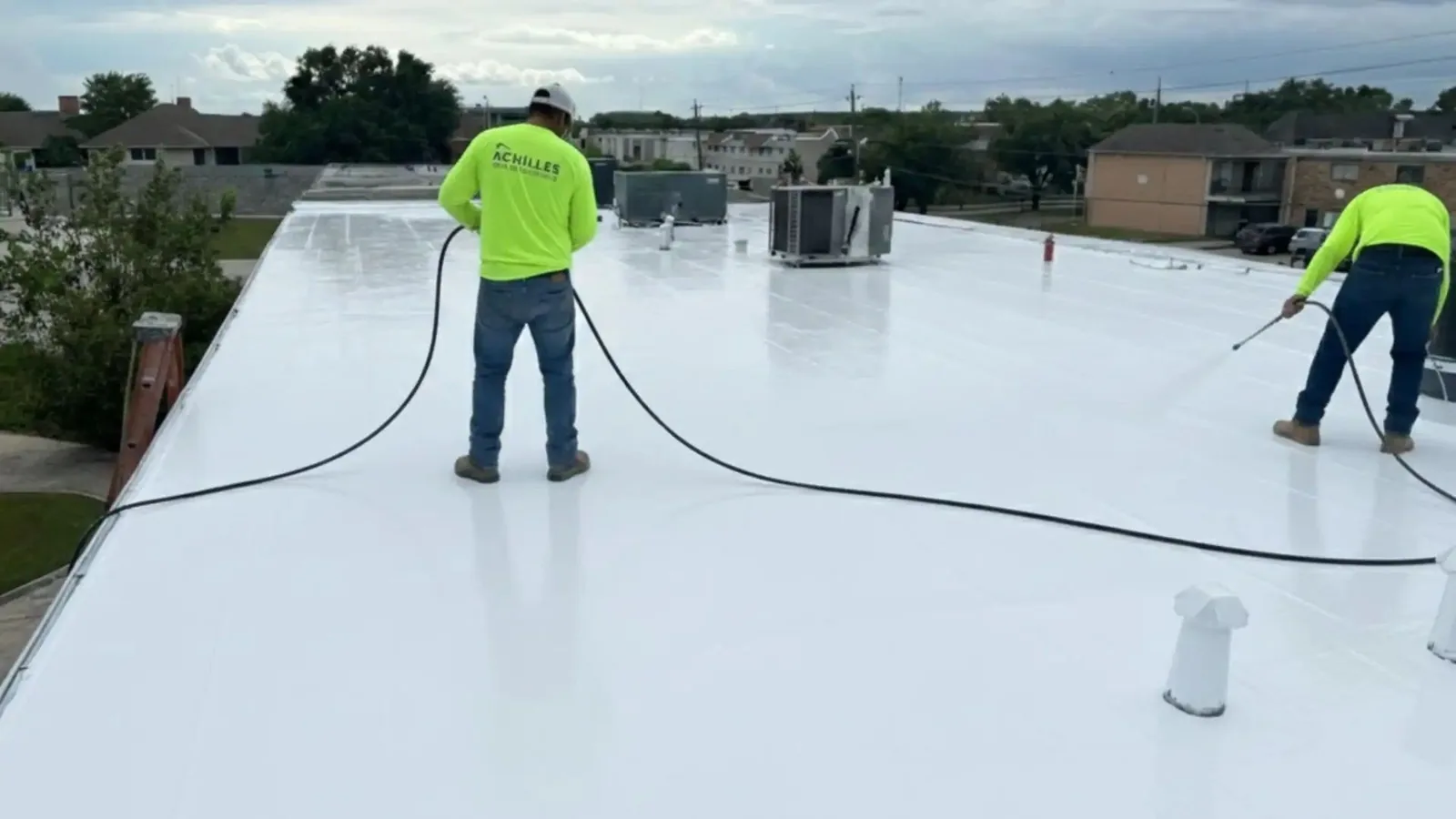
Acrylic Roof Coatings
Review acrylic roof coating options, preparation, repairs, and weather limits for commercial low-slope roofs in North Charleston, SC.
About this section
Roof Systems Overview
The roof system sets which repair materials, tie-ins, and inspection points belong in a scope. We first identify the membrane or metal assembly, then check seams, edge details, drainage, penetrations, and signs of movement. Along West Montague Avenue and International Boulevard, commercial properties serve different uses, but every recommendation begins with the system actually installed. We work on low-slope and metal roofs, recording the existing layers before proposing a repair, coating, recover, or replacement.
A single label does not show whether a roof can be renewed. Substrate moisture, attachment, insulation condition, deck stability, and prior repairs can change the path. The TPO membrane option and EPDM assembly each need compatible details at drains, curbs, and transitions. We document those inspection findings before selecting materials.

Planning notes
Identify the installed roof system
Read the details around the field
A roof field may look intact while a seam, curb, wall termination, or edge is opening. We inspect the field and the points where materials meet, then compare those observations with leak history and repair records. At a metal roof, fasteners, panel laps, penetrations, and movement details deserve attention. A standing seam metal system has different repair needs from a single-ply membrane, even when the interior symptom looks similar.
North Charleston’s industrial corridors include Cross County Road and West Montague Avenue. We confirm the assembly, access windows, and operating limits before moving materials.
Check renewal limits before opening the roof
A recover can preserve sound existing material, but trapped moisture or weak attachment may make another layer a poor choice. Coatings need a surface that can be prepared and a detail package compatible with the existing roof. Foam systems depend on sound substrate and continuous protection. We check the assembly and define what a test or controlled opening could resolve before including renewal in a scope.
For a roof that remains a candidate, silicone coating work or an overlay review may fit the condition. If deterioration crosses multiple sections, replacement planning can compare drainage, insulation, transitions, and phasing. The recommendation records why the selected path fits the inspected roof.
Tie material choice to the work plan
Material compatibility affects the repair boundary and the order of work. We check whether an existing membrane accepts the proposed patch, how a transition will be sealed, and what dry-in point protects the building if weather pauses the crew. A repair detail should connect to sound material, not stop at the visible mark. For a system comparison, the Carlisle system details can be reviewed alongside the existing assembly and project requirements.
Heat and occupied hours also affect access. The property manager identifies equipment limits, loading activity, tenant schedules, and the areas that cannot be closed together. We use those constraints to stage materials and define each roof section’s handoff. A International Boulevard project receives a site-specific sequence based on its actual route and operating rules.
Leave a useful system record
The closeout identifies the system observed, repair materials installed, transitions addressed, and details left for follow-up. Photos should locate seams, drains, curbs, and edges so the next inspection can compare the same points. If uncertainty remains below the membrane, we record whether a moisture survey or opening would change the decision.
Share prior specifications, warranty documents, repair logs, and roof plans when available. We will verify the assembly in the field and return a scope that connects material choice to the observed condition, access window, weather hold, and closeout record.
Commercial Roofing Questions
Can a roof be coated without removing its existing membrane?
We check adhesion, surface condition, moisture, attachment, and detail compatibility first. Coating is considered only when those findings support preparation and a continuous tie-in.
What changes when the roof is metal instead of membrane?
Panel laps, fasteners, movement, corrosion, and penetrations guide the inspection. The repair material and attachment detail must suit the existing metal assembly.
How do you decide between an overlay and replacement?
Existing layers, wet insulation, deck condition, and code limits determine whether a recover is viable. We document those checks and the scope each option requires.
Why do repair materials need to match the roof system?
A patch must bond to compatible material and connect with sound seams or flashing. We inspect the assembly before defining the repair edge and closeout check.
Send available roof plans, specifications, and repair records. We will inspect key details and define the next material and sequencing decisions.
Talk to the team
Identify the installed roof system
Send available roof plans, specifications, and repair records. We will inspect key details and define the next material and sequencing decisions.