
Commercial roofing in North Charleston, SC
Roofing Capabilities
North Charleston, SC
Explore Roofing Capabilities
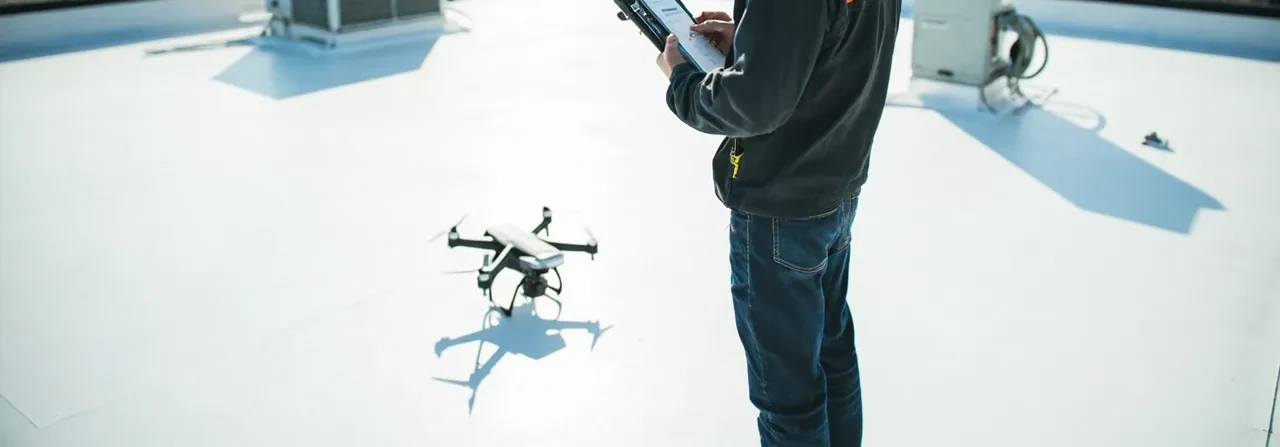
Commercial Roof Asset Management
Track roof condition, repair history, access needs, and upcoming decisions across your North Charleston properties with a practical roof asset record.

Commercial Roof Capital Planning
Build a practical North Charleston roof capital plan using observed conditions, repair priorities, access constraints, and replacement timing for each building.
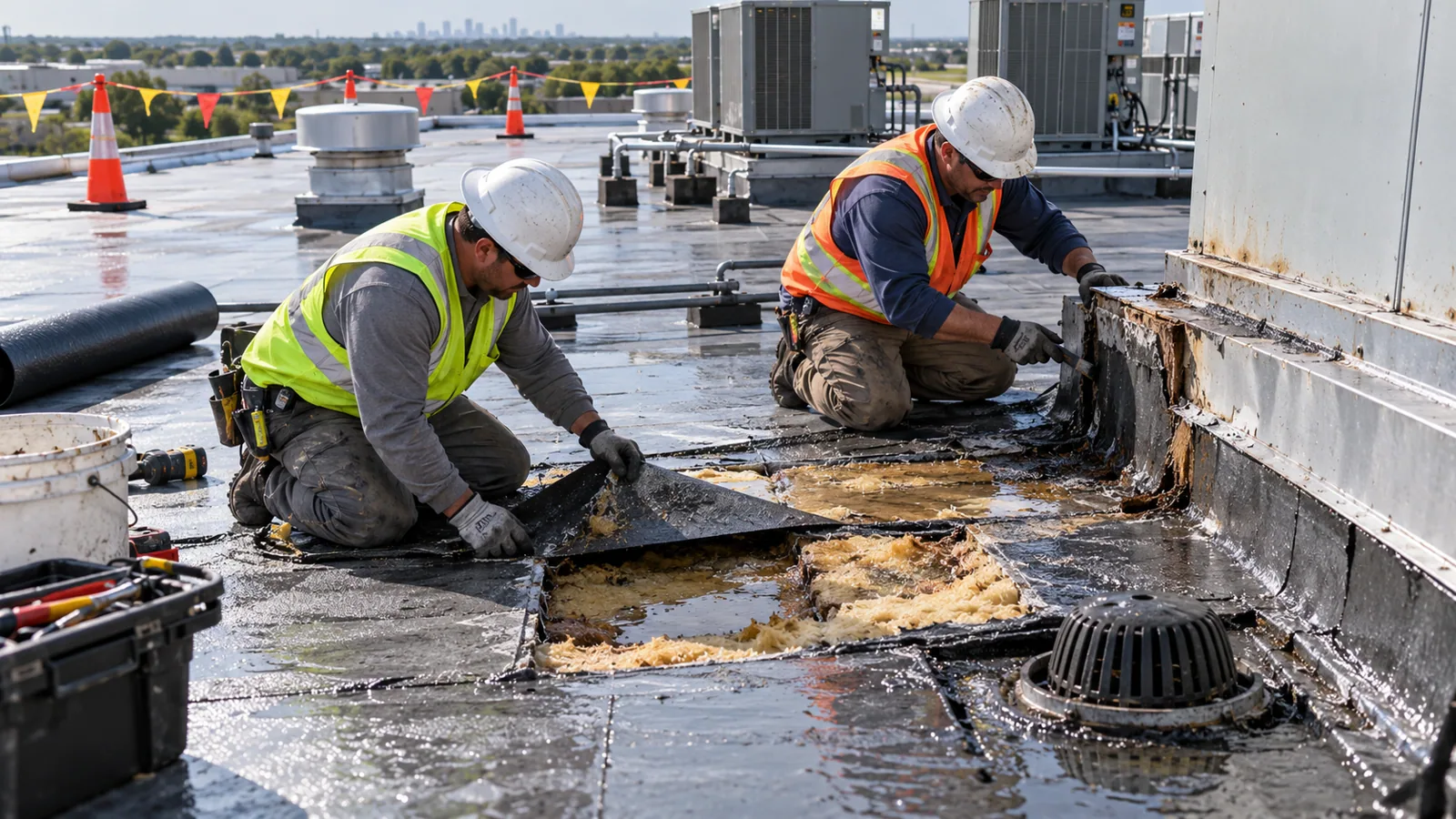
Commercial Roof Condition Reports
Get a North Charleston roof condition report with dated photos, marked locations, repair priorities, access limits, and clear follow-up steps for your team.
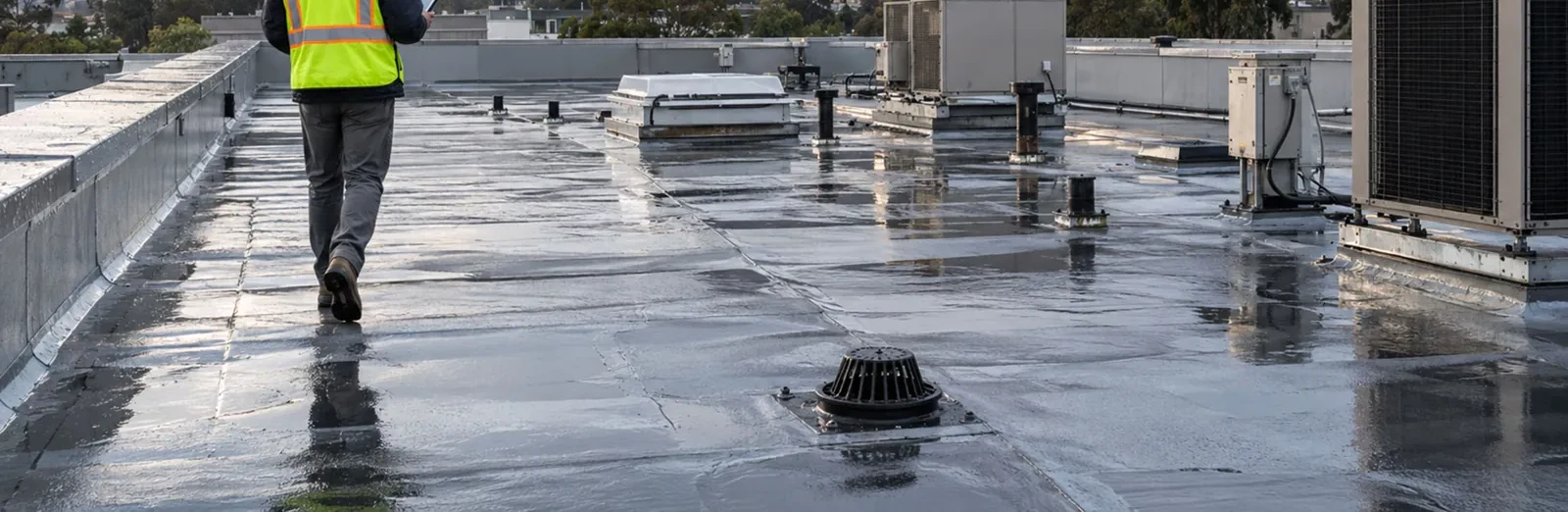
Commercial Roof Warranty Management
Keep North Charleston roof warranty records organized with inspections, repairs, maintenance dates, and follow-up against the terms supplied for each building.

Commercial Roof Due Diligence Surveys
Review roof condition, records, access, and open repair questions before a North Charleston acquisition or refinance moves to its next decision.
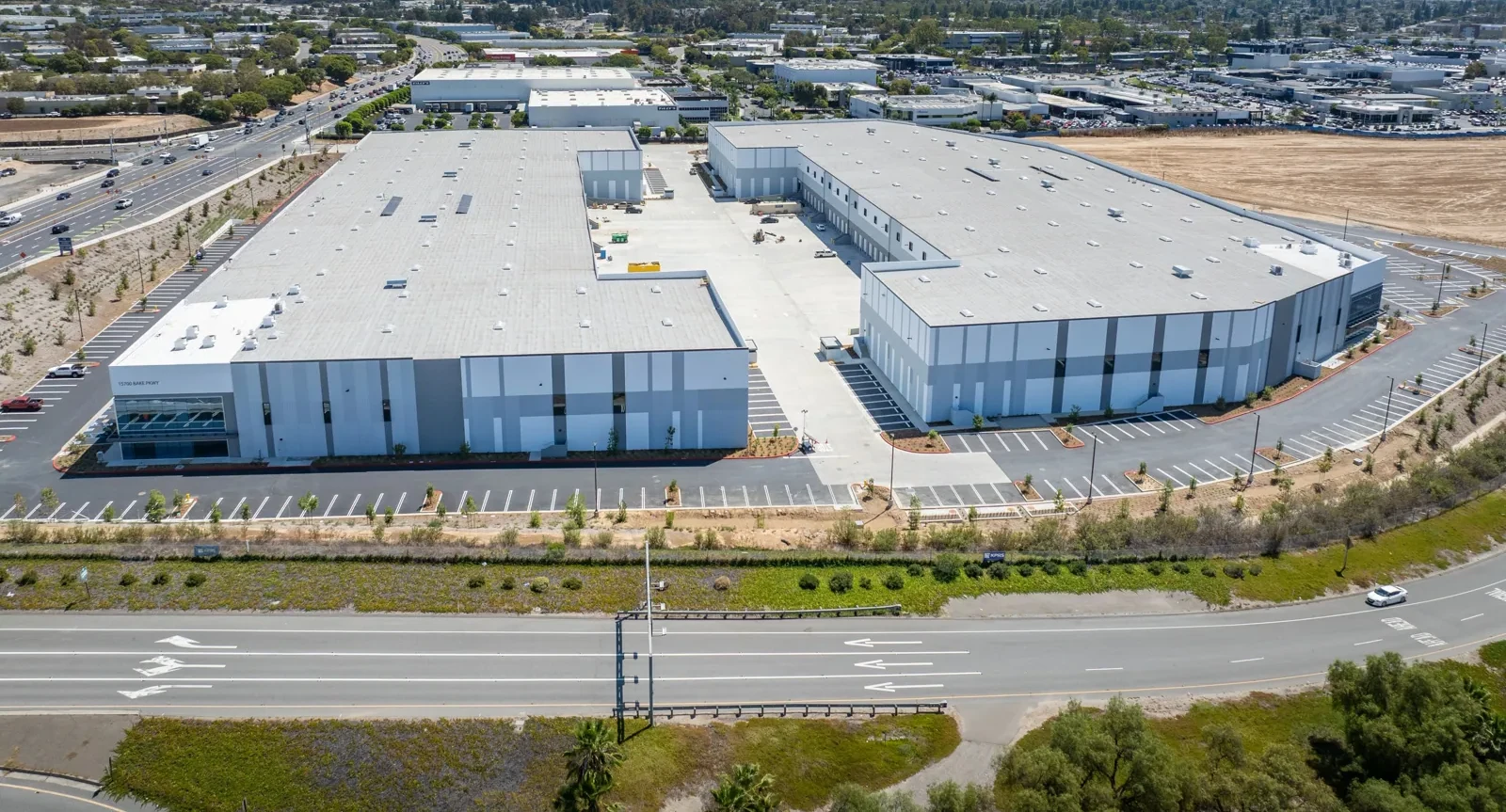
Multi-Site Commercial Roof Programs
Coordinate inspections, repairs, access windows, and closeout records across North Charleston properties while keeping every building’s roof findings distinct.
About this section
Roofing Capabilities Overview
A roof record is useful when it connects a condition to a decision, a date, and a responsible handoff. We inspect the assembly, photograph details, and label findings by roof section so property staff can track open work. North Charleston’s June normal has an 88.5°F average daily high, with 13.5 days reaching 90°F or more. We use the seasonal heat to set handling and work windows, then check roof conditions before choosing each shift’s sequence.
A roof condition report can establish the starting record. A continuing roof asset program keeps inspections, repairs, and follow-up needs connected as contacts or priorities change.

Planning notes
Organize your roof records
Keep inspection findings usable
We document seams, drains, penetrations, flashing, edge details, prior patches, and areas that could not be reached. Each note identifies what we observed and what next step could resolve an open question. A due-diligence roof survey can help a buyer or owner understand visible condition, deferred work, and additional testing that may be needed before a decision.
Along Rivers Avenue and Dorchester Road, commercial properties serve different operations and have different access rules. The field record notes those limits so a future visit can use the right route, contact, and roof section. At each return, we confirm access and verify whether prior findings remain current.
Connect condition to capital timing
Capital planning begins by separating immediate repair from work that can be scheduled. We identify recurring leaks, broad moisture, failed transitions, and areas where repair may not extend the roof’s serviceable life. The record can then compare repair, restoration, and replacement scopes without treating a local patch as proof that the wider assembly is sound. A roof capital plan organizes those decisions by section, condition, and operating impact.
Cost and timing depend on access, staging, tear-off, insulation or deck work, material lead time, and protection below. If a roof needs repair while the capital review proceeds, commercial roof repair can define and document the immediate work boundary. The property manager receives the conditions that could change the sequence.
Coordinate records across properties
A portfolio may include different roof assemblies, lease terms, repair histories, and approval paths. We keep each building’s findings distinct, then use consistent labels to make open work and capital needs easier to compare. A multi-site roof program can schedule inspections and retain closeout records without assuming one roof needs the same treatment as another.
Warranty administration benefits from dates, repair details, photographs, and product records. We review available documents and record required observations or maintenance items; the documents and governing terms determine what applies. A roof warranty review helps keep those obligations visible in the asset record.
Set the next inspection point
Every report should leave a clear next step: repair now, monitor, test, budget, or return after a specific condition. We list the contact who can approve access, what areas remain unresolved, and whether a weather hold affects follow-up. That gives facilities and ownership staff a practical handoff for the next roof decision.
Send roof plans, prior reports, warranty papers, leak history, and access rules. We will inspect the available areas, organize the findings, and identify the decisions that need attention first.
Commercial Roofing Questions
What belongs in a commercial roof condition report?
We record the assembly observed, inspected roof areas, photographs, active defects, access limits, and recommended next steps. Any item needing a test or return visit is identified separately.
Can asset records support a future replacement budget?
Yes. Dated observations, repair history, moisture findings, and deferred work help compare capital paths by roof section. We note what could change the timing or scope.
How do you manage records across multiple properties?
We keep each roof’s condition and assembly separate while using consistent labels for inspections, repair, and follow-up. That allows portfolio review without merging site findings.
Does a warranty document determine the current roof condition?
No. The document records applicable terms, while an inspection describes what is visible now. We keep both in the file and flag maintenance or documentation needs.
Send plans, prior reports, maintenance files, and access rules. We will inspect current conditions and identify the next decision point.
Talk to the team
Organize your roof records
Send plans, prior reports, maintenance files, and access rules. We will inspect current conditions and identify the next decision point.