Commercial roofing in North Charleston, SC
Industries We Serve
North Charleston, SC
Explore Industries We Serve
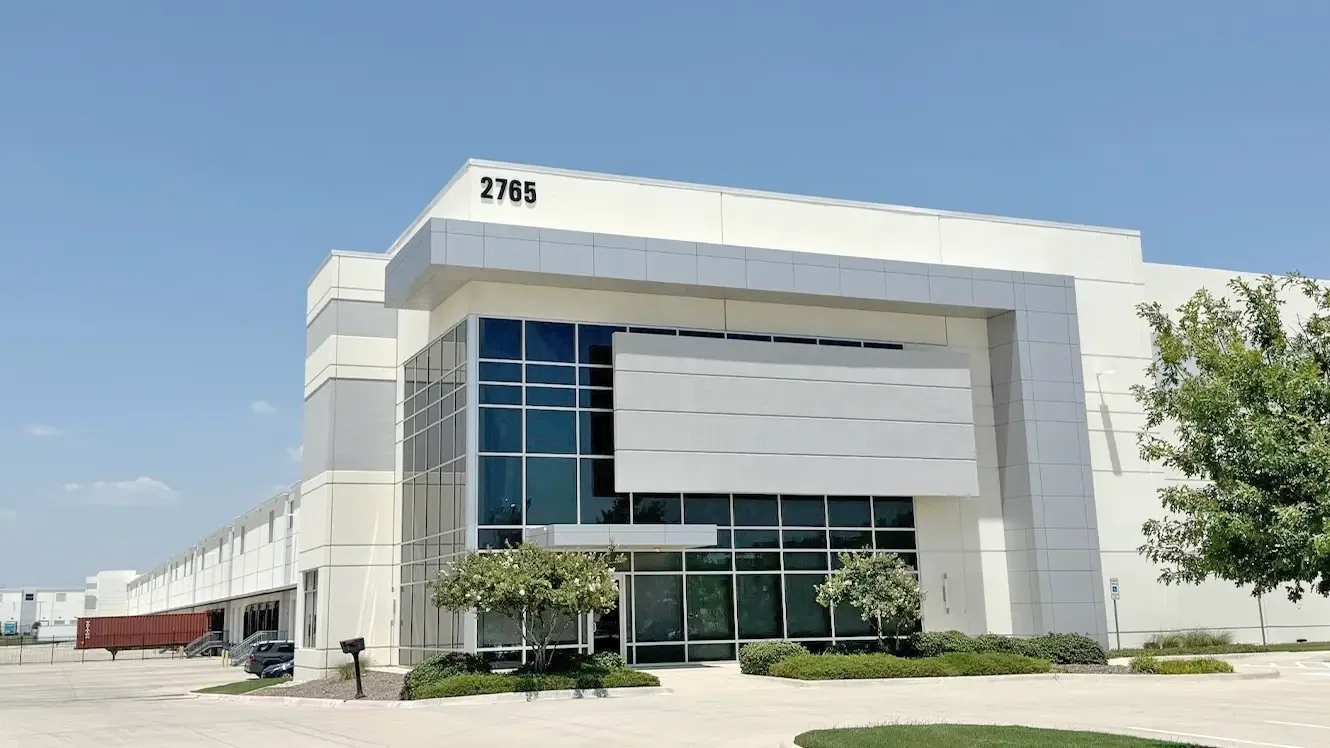
Property Management Companies
Coordinate roof inspections and capital work across managed properties in North Charleston, with clear access plans and building-level records.
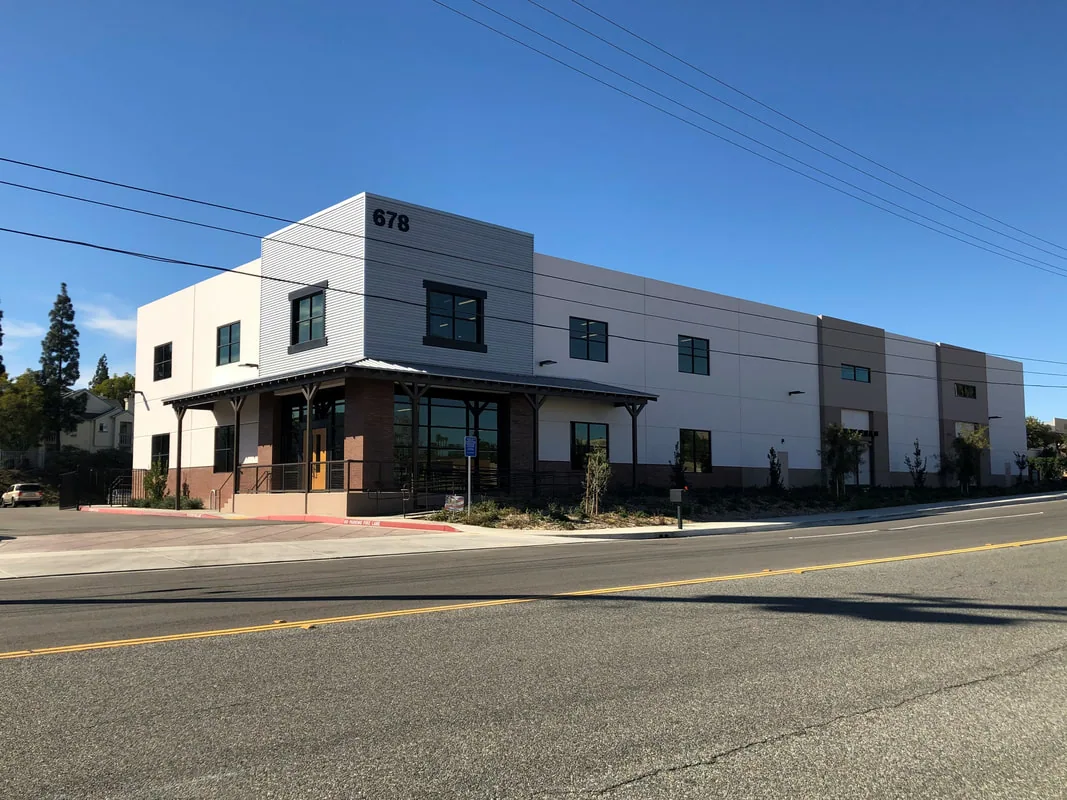
Real Estate Investors and REITs
Review roof condition, repair exposure, and capital timing for commercial investments in North Charleston, with asset-level findings ready for decisions.
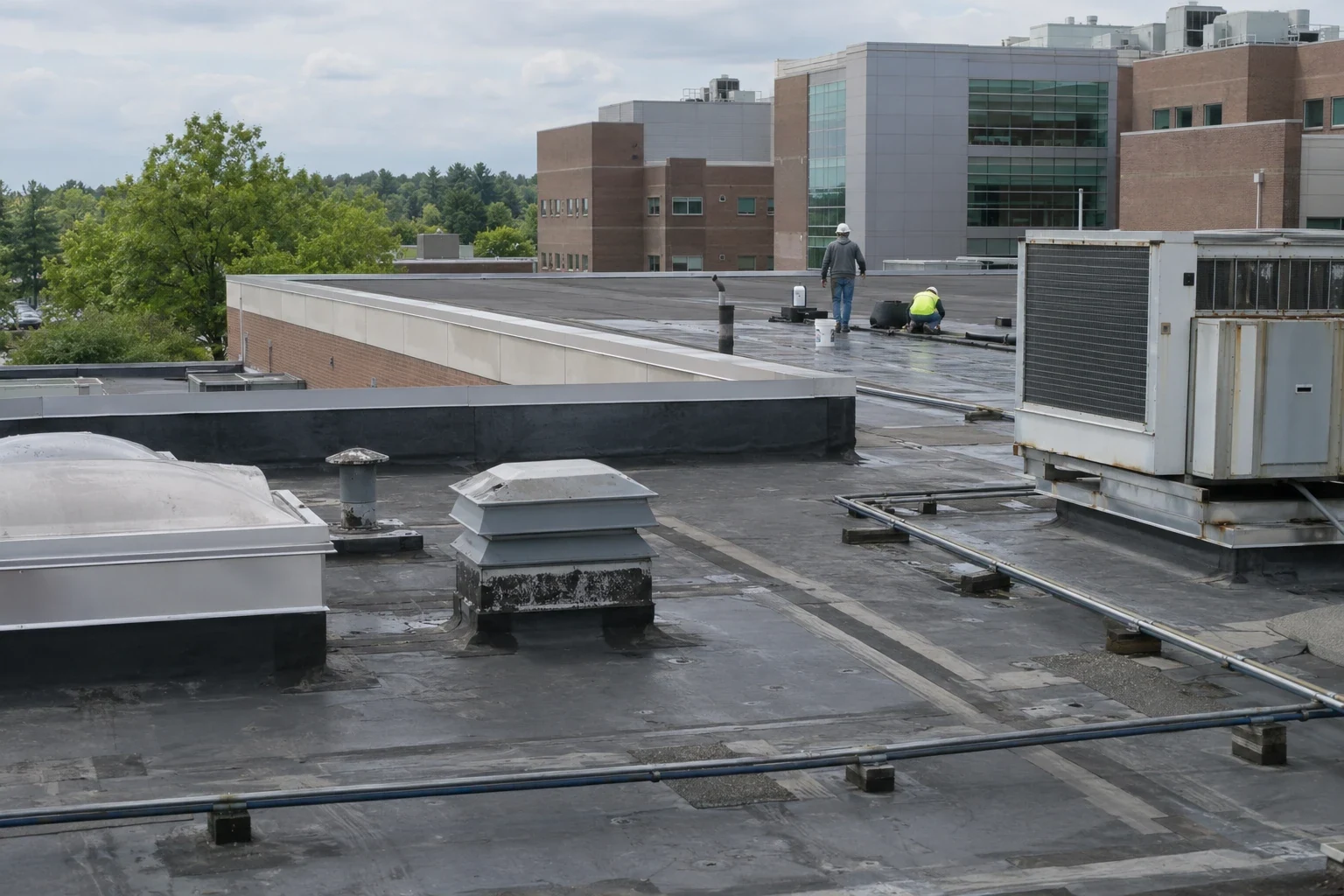
Healthcare Systems
Plan healthcare roof repairs and replacement in North Charleston around occupied care areas, access controls, weather holds, and a clear closeout record.
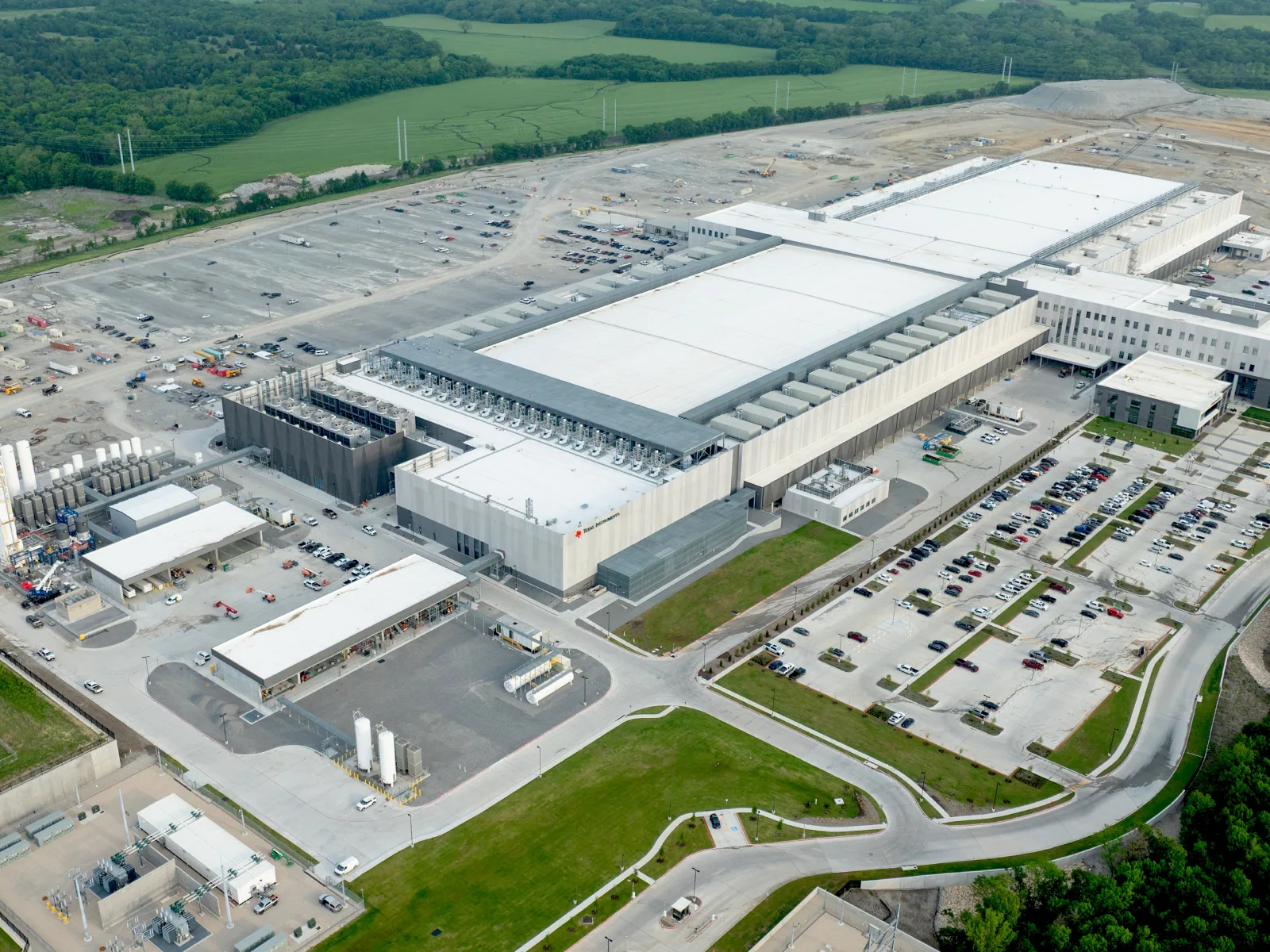
Manufacturers
Coordinate manufacturing roof repairs and replacement in North Charleston around production hours, rooftop equipment, weather holds, and defined work zones.
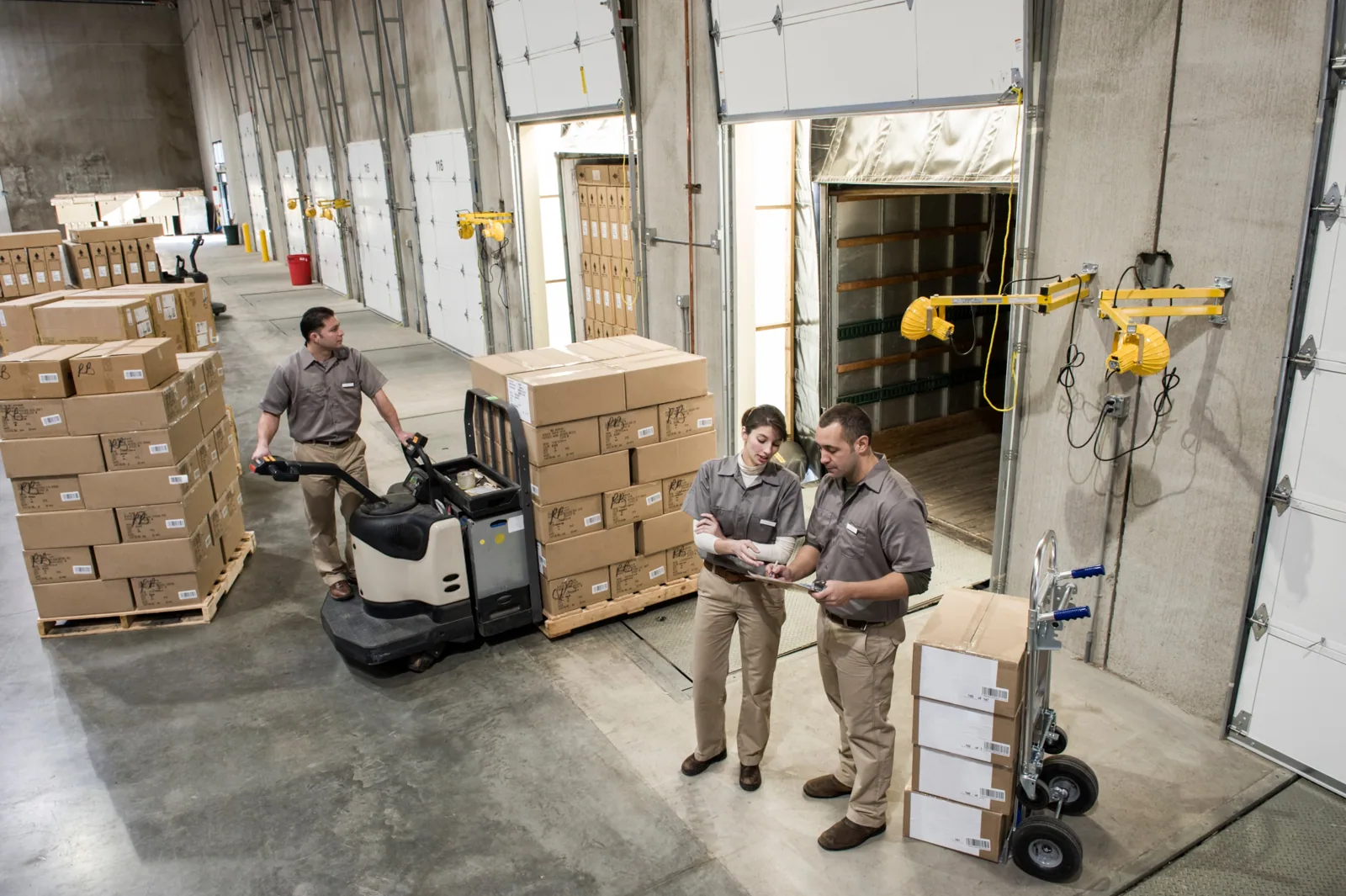
Logistics and 3PL Operations
Plan logistics roof inspections and repairs in North Charleston around dock activity, shift changes, staging lanes, and weather-sensitive work zones.
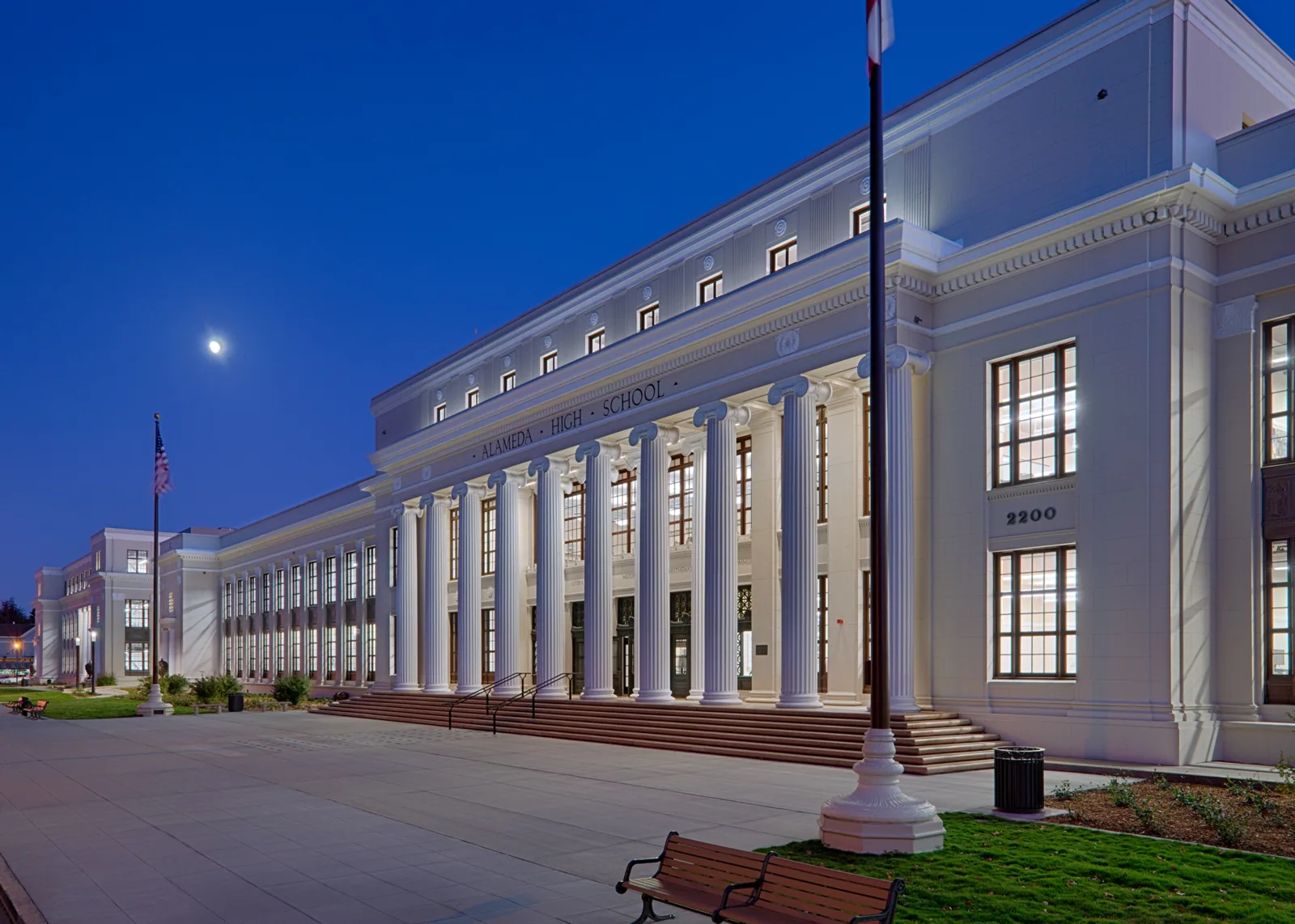
School Districts
Coordinate school roof inspections, summer repairs, and phased replacement in North Charleston with clear access controls and building-level records.
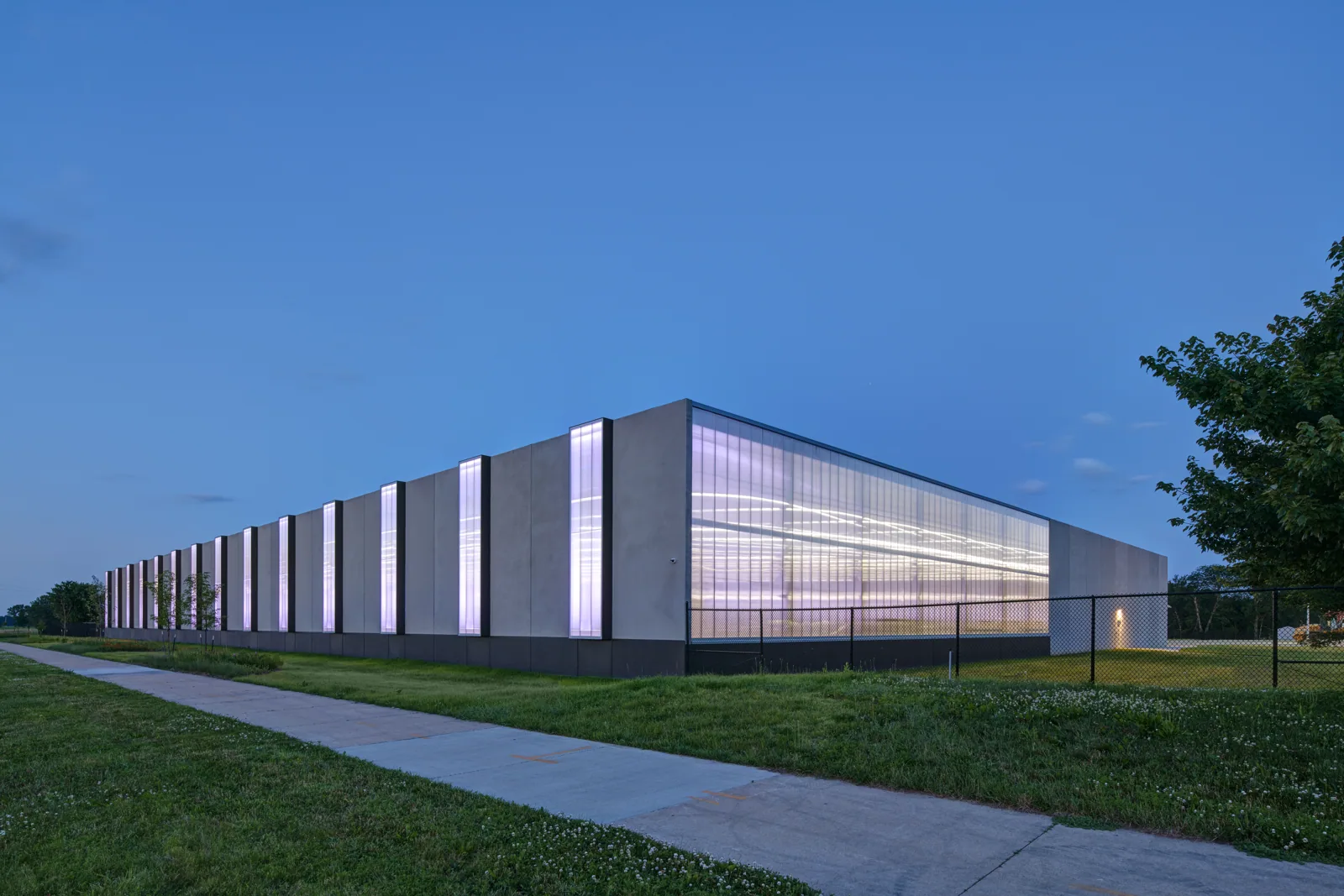
Public Agencies
Plan roof work for public agencies in North Charleston with documented scopes, approval points, and occupied-building access plans.
Retail and Restaurant Chains
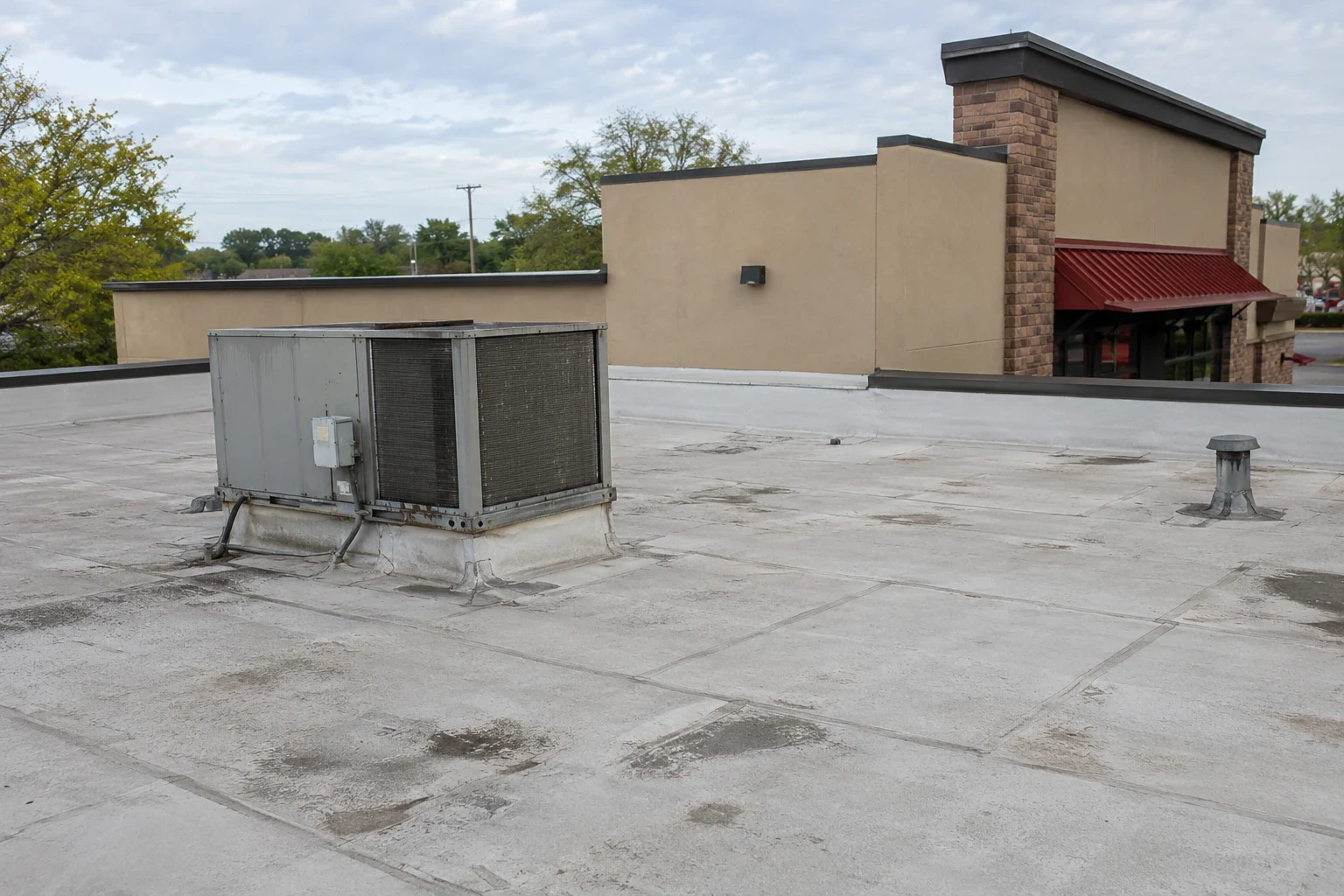
Plan chain roof repairs in North Charleston around customer access, deliveries, rooftop equipment, and operating hours, with phased work zones.

Hospitality Groups
Coordinate roof inspections and repairs for hospitality properties in North Charleston around guest access, room availability, service routes, and work windows.
General Contractors
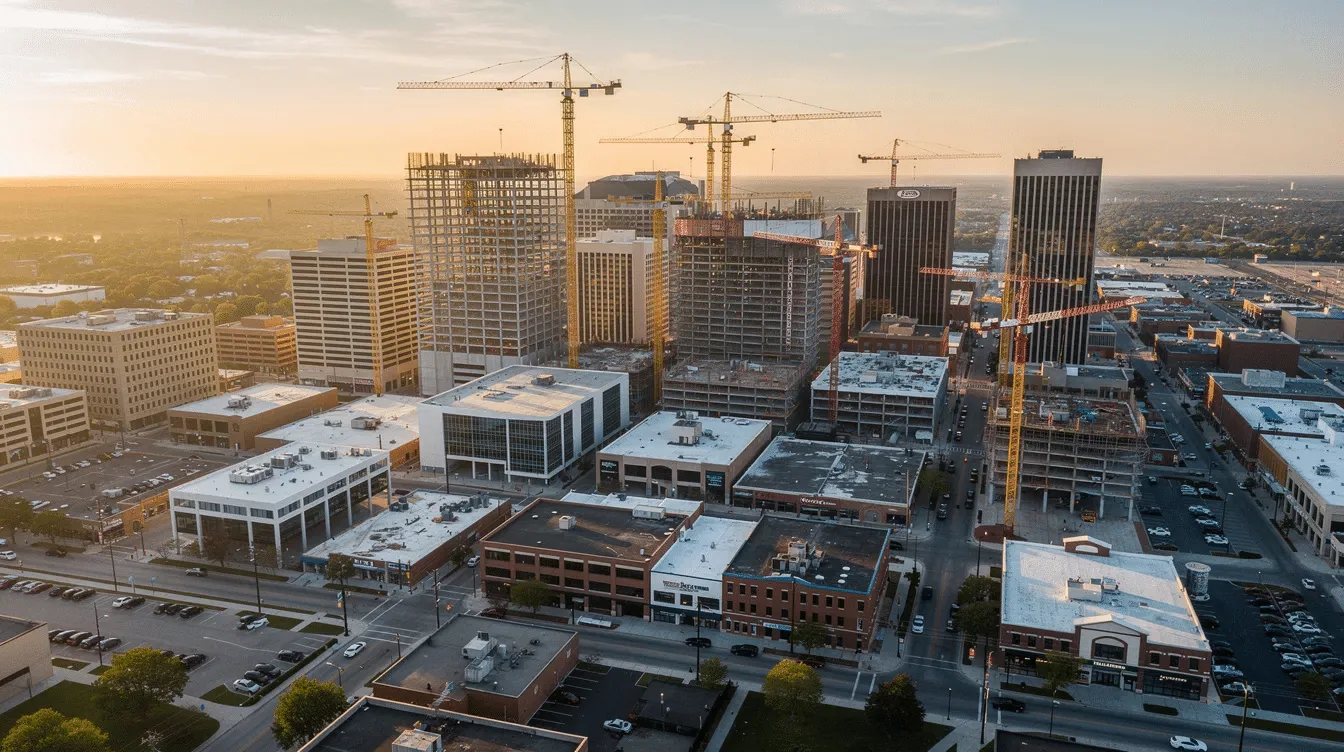
Coordinate commercial roof scopes with general contractors in North Charleston, including access, submittals, tie-ins, change review, and closeout records.
Insurance Restoration
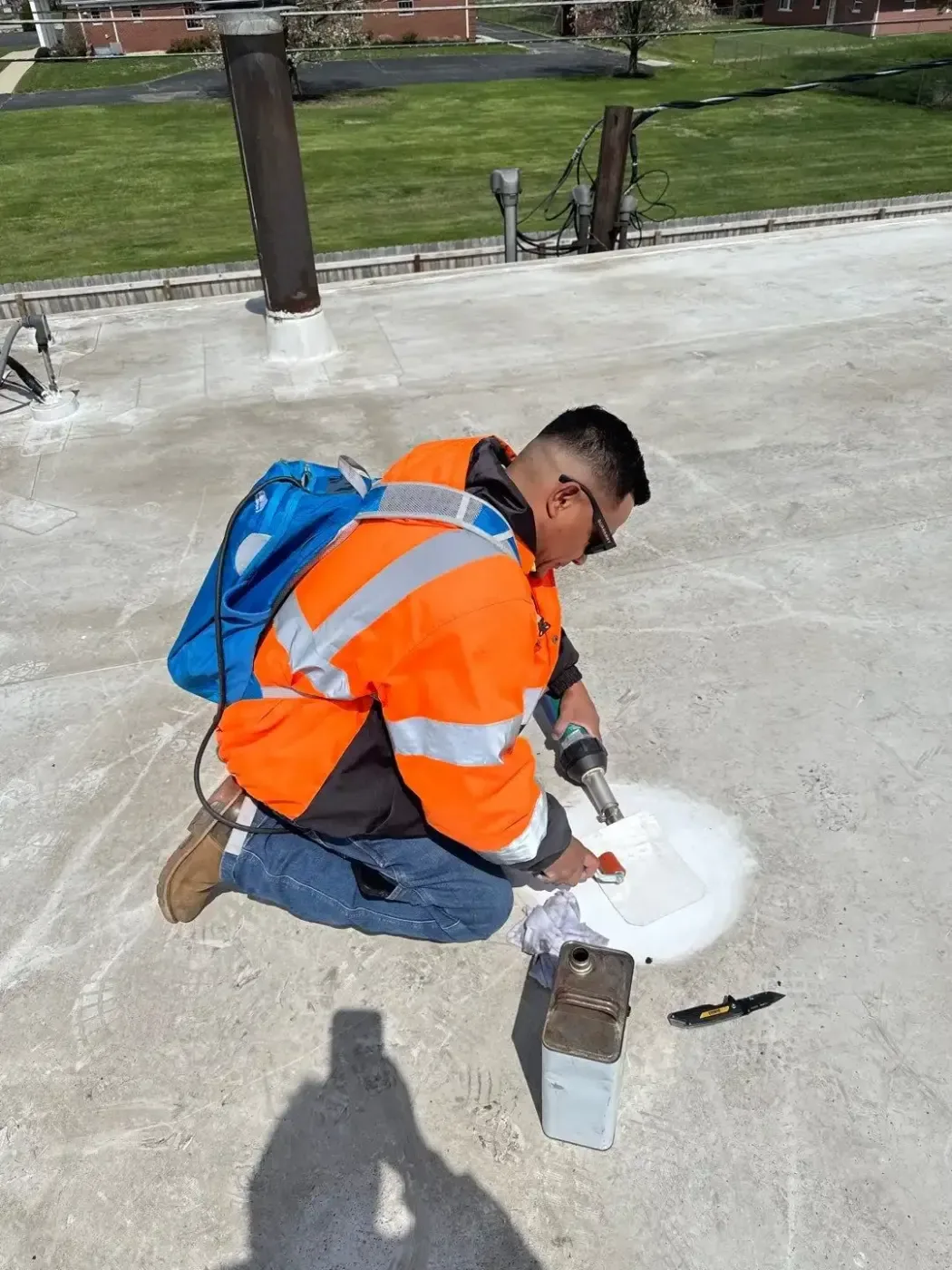
Document commercial roof damage and restoration work in North Charleston with condition photographs, repair boundaries, and a clear record for claim review.
About this section
Industries We Serve Overview
Production hours, freight movement, or controlled access can set the roof sequence before material is staged. We begin by mapping the work zone against the operating plan, then inspect the roof condition and identify which areas can close. North Charleston and the surrounding county support aerospace, advanced manufacturing, life sciences, logistics, and technology work. Each use brings different access limits; none tells us what assembly is installed or what defect exists.
For logistics properties, a distribution roof program can coordinate inspection windows with truck activity. A manufacturing roof scope may need phased access around production and equipment. We verify the actual site schedule with its manager before setting the crew handoff.

Planning notes
Schedule around the operating plan
Fit roofing to operating hours
Work along West Montague Avenue or International Boulevard may sit within industrial or office areas, but the property’s own routes and occupied periods control staging. We confirm where lifts can set, when loading lanes can be restricted, and which rooms or processes below need protection. A marked roof section helps the facilities lead understand when access changes and what inspection point clears the next shift.
We can stage inspections, maintenance, repair, coating, and replacement around agreed windows. The immediate dry-in boundary is recorded separately from the permanent repair scope. If water entry is active, an emergency roof protection scope starts with safe access, the exposed section, and how a temporary measure can be checked. If a leak threatens operations, emergency roof protection can be arranged around the clock, including holidays.
Account for movement and weather holds
Regional distribution uses I-26 and I-95 connections alongside freight rail access. A roofing delay can affect more than the roof if staging blocks a route or a weather hold leaves a section open. Before work begins, we identify material drop points, equipment paths, and the stop condition for each shift. A general contractor handoff can include who controls the work zone, what remains protected, and what must be cleared before trades resume below.
We keep the roof sequence visible when access changes. If a section cannot be sealed before a weather hold, we adjust the work boundary and tell the property contact what remains. This helps operations plan around the roof without treating every shift as interchangeable.
Separate operating risk from roof findings
Interior use helps set safety and access controls; the roof inspection determines repair scope. We check membrane or metal, seams, drains, penetrations, flashing, and edge details. Photos connect each finding to its roof section. If moisture may extend beyond the visible leak, an infrared survey can help define a test area. The report separates observed conditions from questions requiring an opening or another review.
A multi-site roof program can preserve shared records across properties while keeping each building’s assembly and conditions separate. In North Charleston, commercial corridors include Rivers Avenue and Dorchester Road. A Dorchester Road roof inspection still begins with that site’s roof plans, leak history, access rules, and operating hours.
Give the next shift a reliable handoff
The closeout names completed roof sections, repairs, remaining exposure, and the next inspection point. It records photographs, access limits, material staging, and any weather hold. Operations staff can use that information to reopen a route or schedule the next roof window without relying on a verbal summary.
Share production or delivery hours, roof plans, past repairs, and the decision window. We will inspect the affected assembly, set the work boundary, and return a sequence that accounts for both roof conditions and the building’s operation.
Commercial Roofing Questions
Can roofing work continue during production or distribution hours?
We identify the areas that can be accessed, the routes that must stay open, and the hours when work can proceed. The manager approves the work zone before materials arrive.
How do you coordinate roof work with freight movement?
We map lift access, material staging, loading windows, and the protected route below. If a delivery change affects the sequence, we set a new handoff point.
Does industry type tell you which roof system is present?
No. We inspect the installed assembly and review available plans before selecting repair materials or renewal methods. Use informs access, not roof diagnosis.
What happens when an active leak affects operations?
We coordinate access and temporary protection, document the dry-in boundary, and identify permanent work still required. The property contact receives the next inspection point.
Send roof plans, production or delivery hours, access rules, and leak reports. We will inspect the roof and set the first work boundary.
Talk to the team
Schedule around the operating plan
Send roof plans, production or delivery hours, access rules, and leak reports. We will inspect the roof and set the first work boundary.