Commercial roofing in North Charleston, SC
Roof Damage Repair
North Charleston, SC
Explore Roof Damage Repair
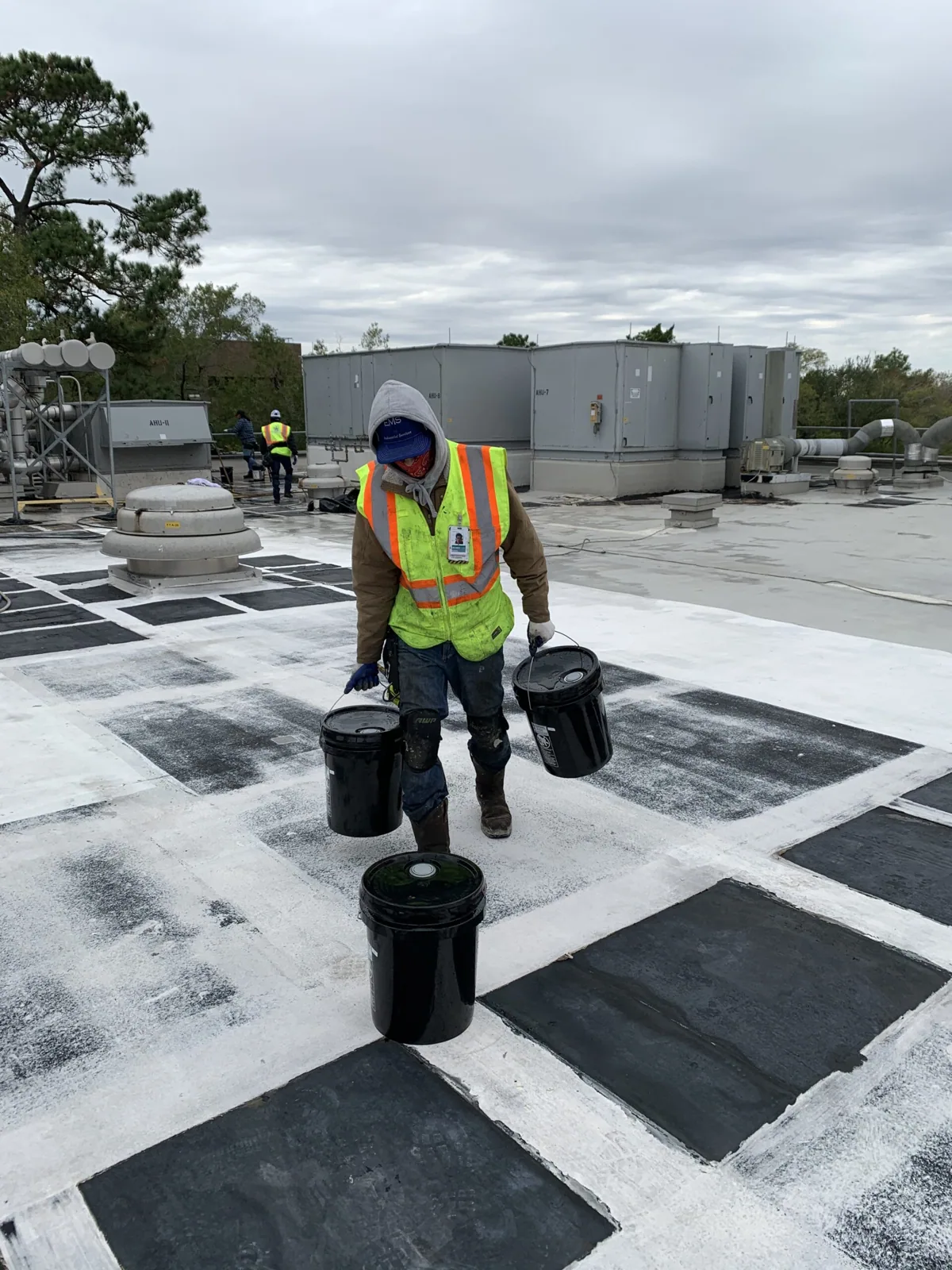
Wind Damage Roof Repair
Inspect loose membrane, displaced metal, and damaged flashing after high winds, then scope repairs and a safe work sequence for North Charleston buildings.
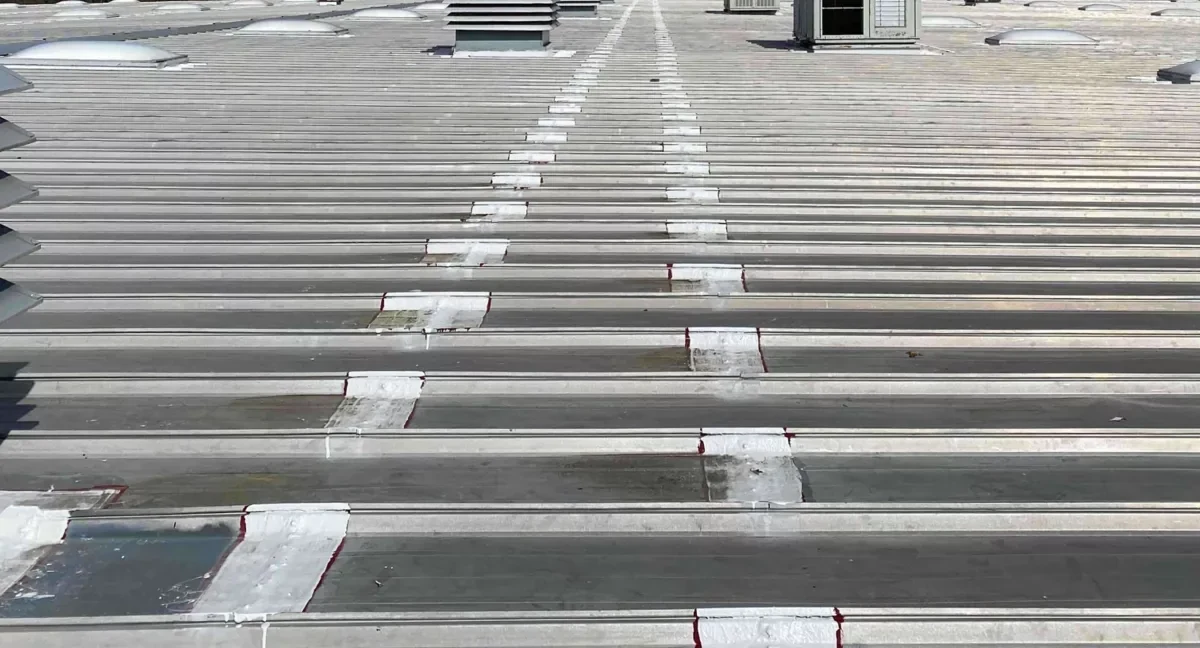
Ponding Water Roof Repair
Trace ponding on commercial roofs to drains, slopes, and membrane details, then plan repairs and a safe work sequence for North Charleston properties.
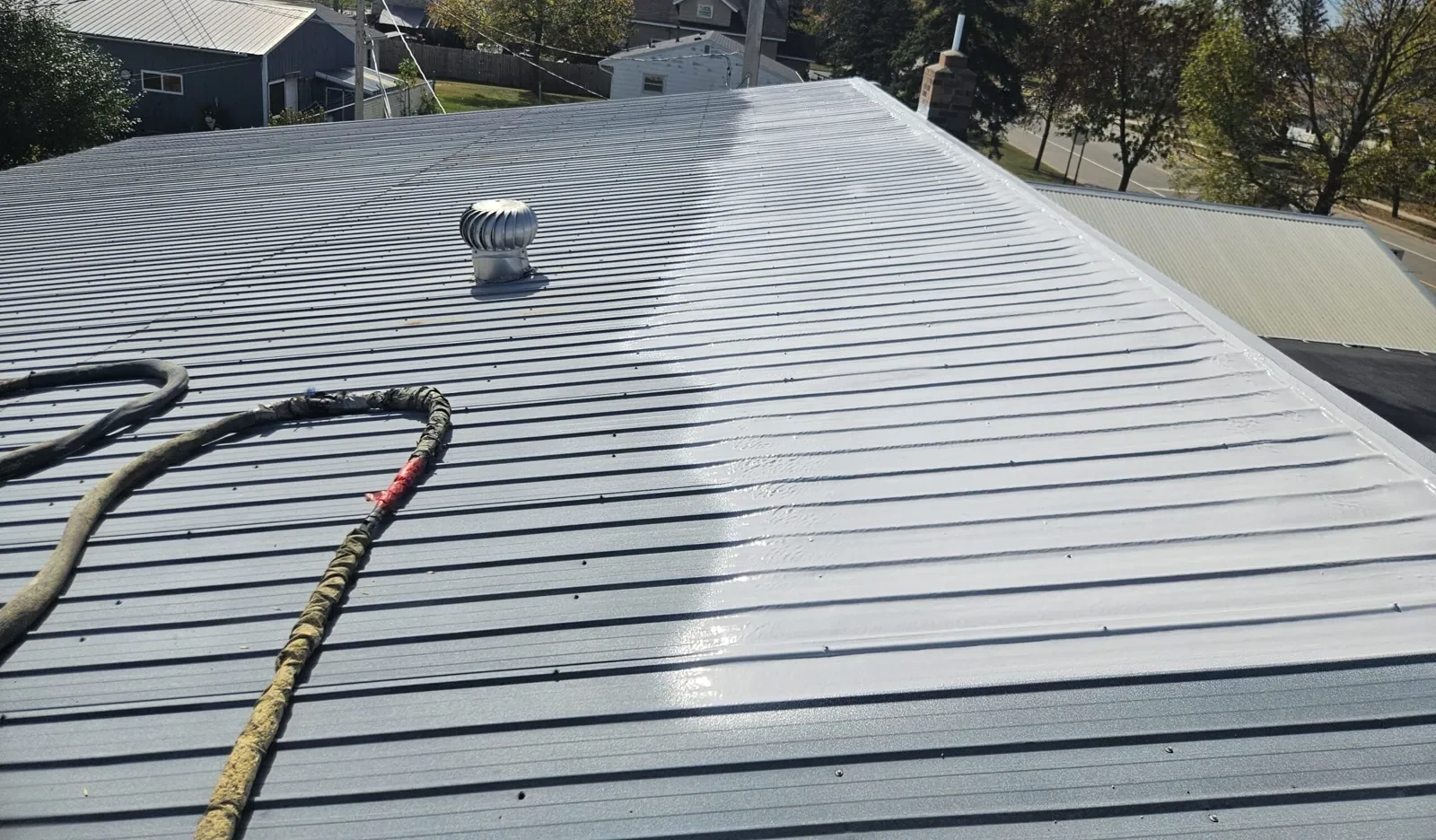
Commercial Roof Flashing Repair
Find the entry point at roof edges, curbs, walls, and penetrations, then scope a durable commercial flashing repair for North Charleston buildings.
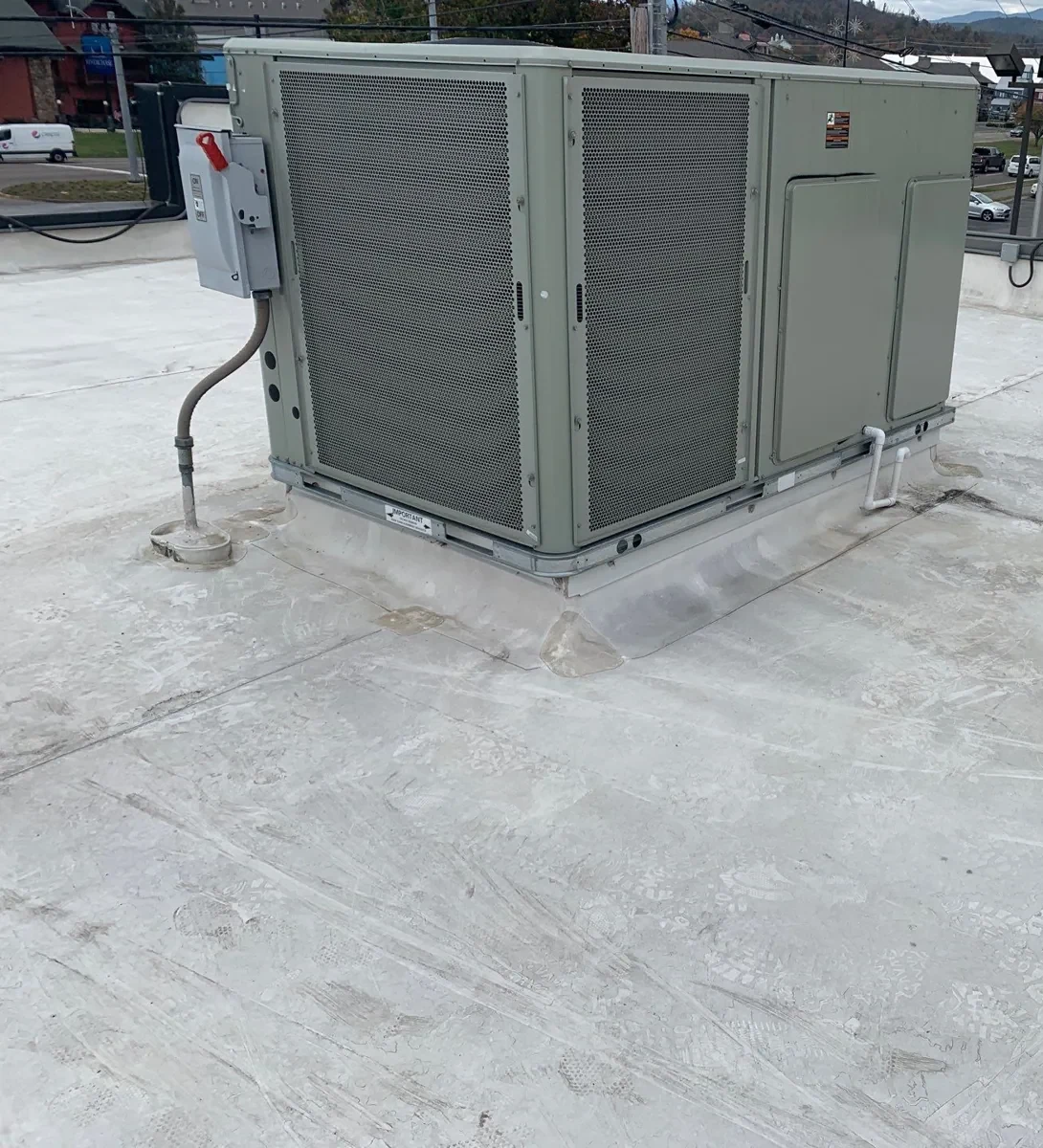
Commercial Roof Seam Repair
Inspect split, open, or poorly bonded commercial roof seams and define a compatible repair boundary for North Charleston properties.
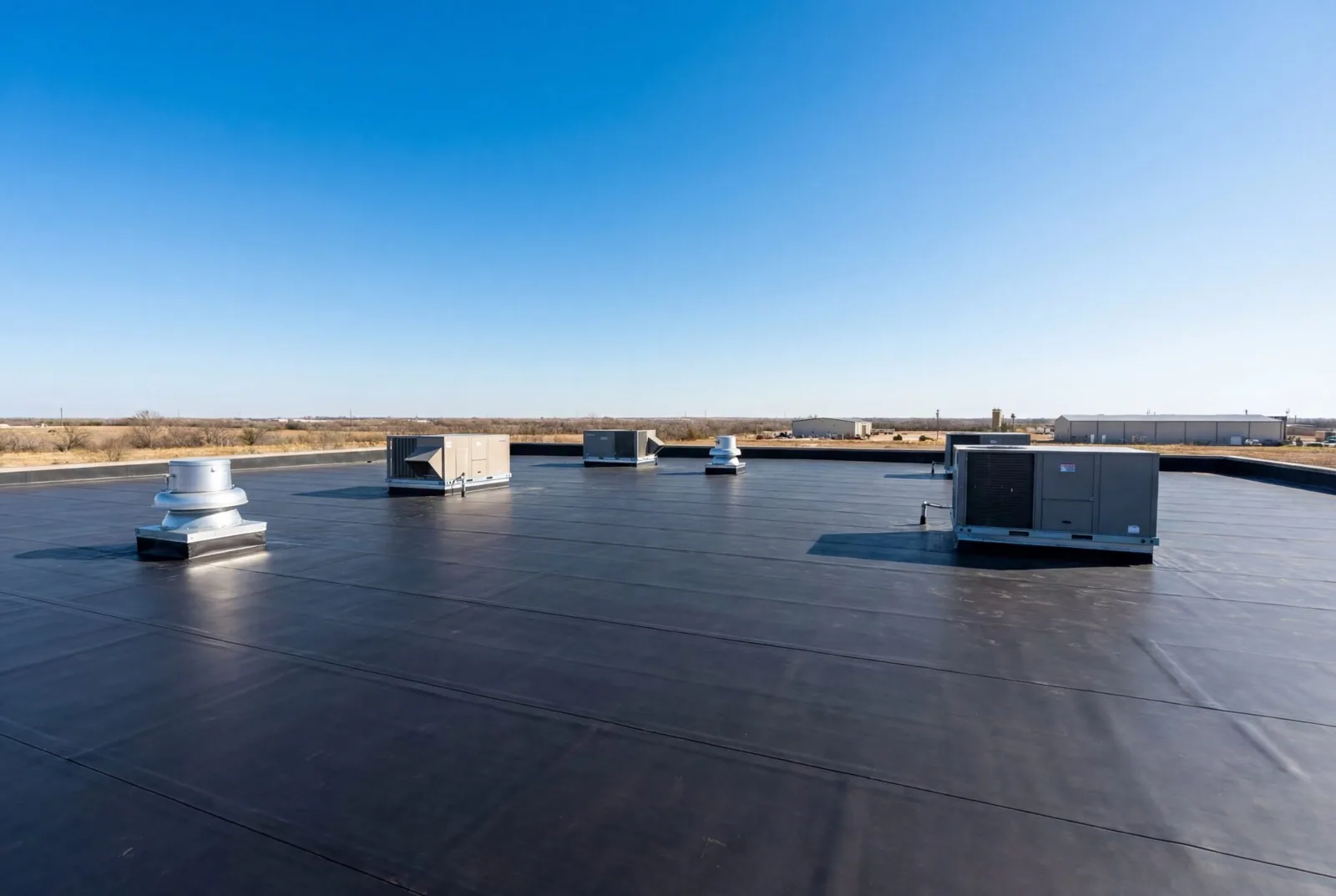
Commercial Roof Puncture Repair
Locate punctures, inspect the surrounding membrane and insulation, and plan a compatible repair for commercial roofs in North Charleston.
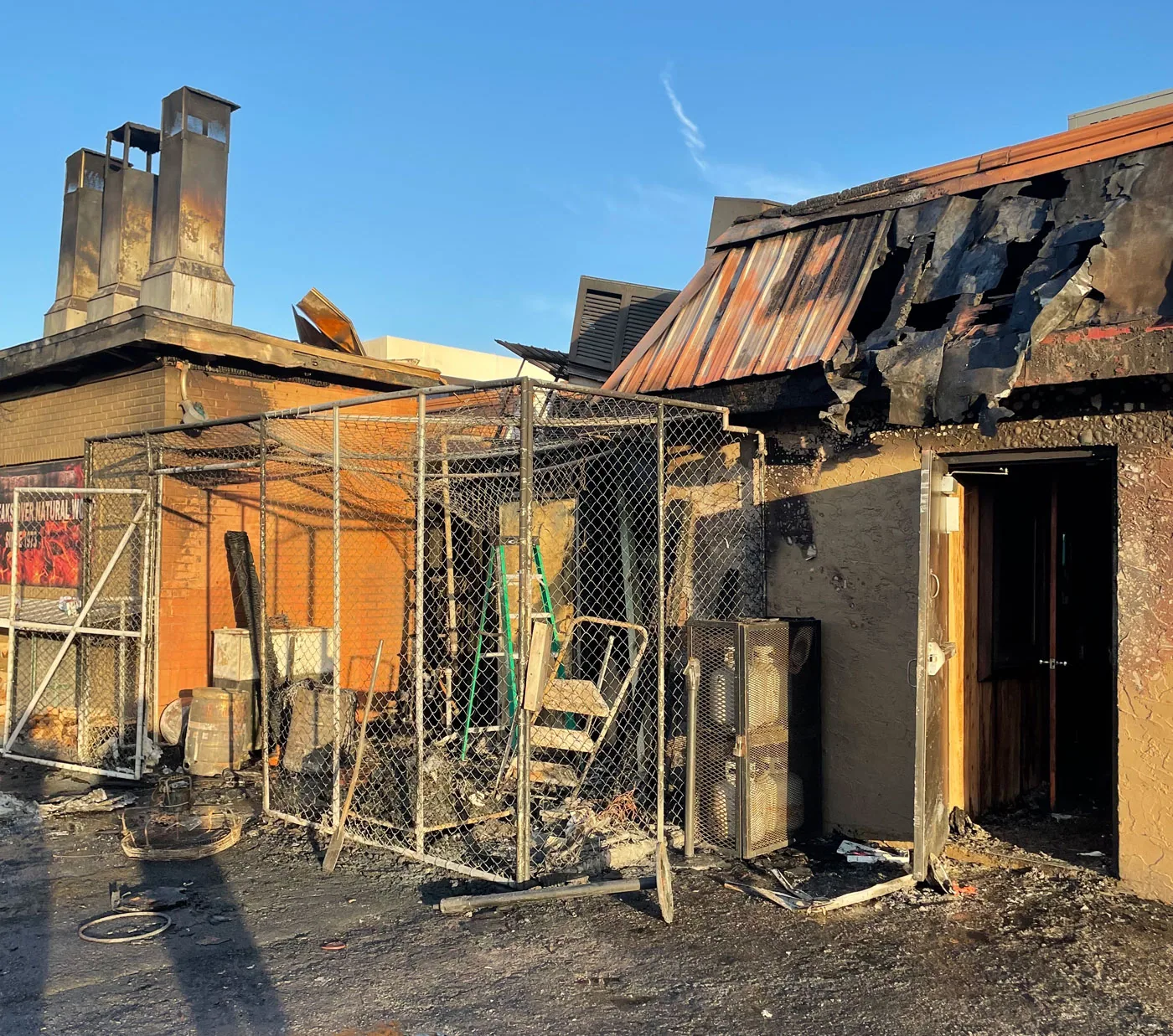
Commercial Fire-Damaged Roof Repair
Assess heat, smoke, water, and membrane conditions after a commercial roof fire, then define a safe North Charleston repair or replacement scope.
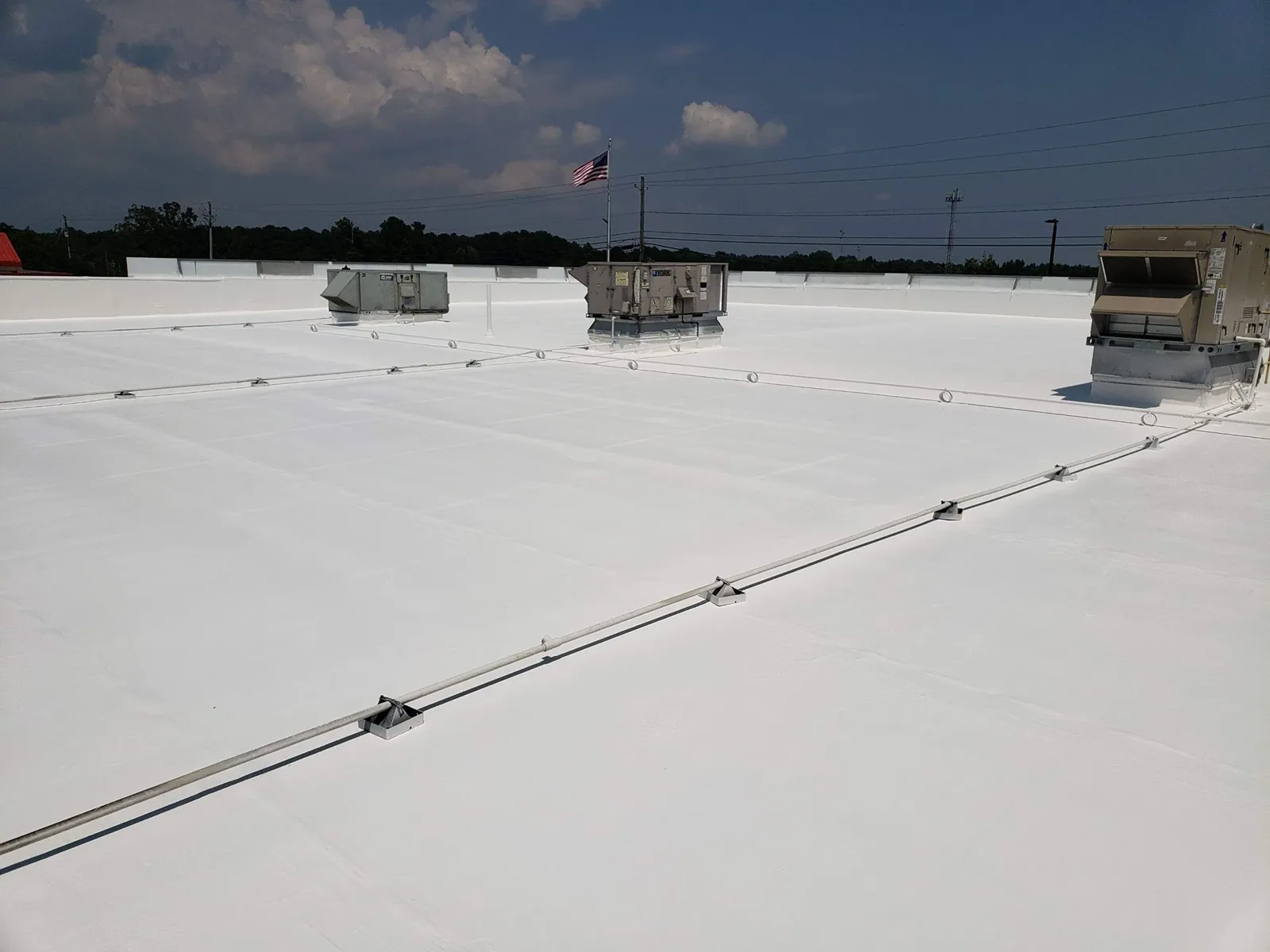
Commercial Hurricane Roof Repair
Inspect lifted edges, opened seams, punctures, and water entry after a storm, then scope a safe commercial roof repair in North Charleston.
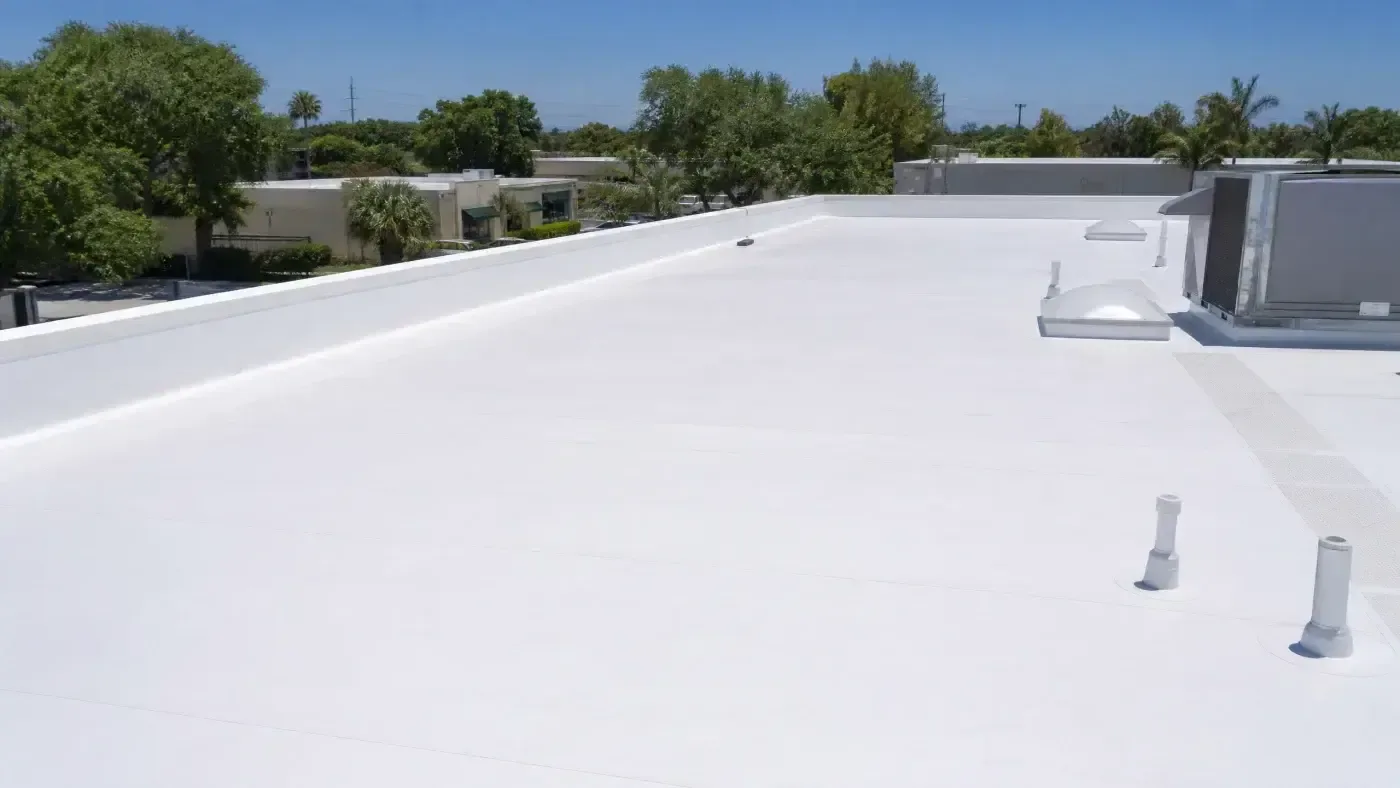
Commercial Heat and UV Roof Repair
Review brittle membranes, surface wear, and heat-related roof concerns, then plan practical commercial repair steps in North Charleston.
About this section
Roof Damage Repair Overview
A loose edge, puncture, open seam, or wet interior calls for a different first check. We locate the affected roof section, trace nearby details, and arrange protection if water is entering. North Charleston has a regional history of severe tropical weather, including Hugo in 1989 and Debby in 2024. Those events help frame preparedness; the repair scope comes from observed conditions at the property.
After the initial check, we separate temporary dry-in from permanent work. A wind damage inspection records edges, seams, and rooftop attachments. Ponding water repair starts by tracing the route to drains and low areas. The findings determine the boundary, materials, and next inspection point.

Planning notes
Document the roof condition
Protect the opening and trace the path
Active water entry can continue through insulation and interior finishes while the roof surface appears to have one small defect. We check the reported location, then inspect upslope seams, curbs, penetrations, flashing, and drains. We record where temporary work ends so the manager can see what the permanent repair still needs to cover.
A flashing failure review can identify a separated wall or curb detail. For a torn field, a membrane puncture repair must connect to sound material. We photograph the surrounding area rather than closing the record around a single visible mark. If the opening remains active, our on-call crew can arrange protection at any hour, including nights, weekends, and holidays.
Keep regional storms in context
Hugo made landfall at Sullivan’s Island as a Category 4 hurricane, and a 98 mph gust was recorded in North Charleston. Debby brought prolonged heavy rain, widespread flooding, and multiple tornadoes across the South Carolina Lowcountry. Neither event establishes damage at an individual roof. If a manager reports storm effects, we inspect that property and record actual uplift, impact, water entry, or displaced material.
A hurricane-related roof assessment can check the full perimeter, rooftop equipment, field seams, and penetrations. Along Remount Road, as on any local corridor, traffic and occupied hours help set the inspection window while roof evidence sets the repair scope.
Choose a correction that reaches sound material
A repair should extend to stable material and restore the intended water path. We check membrane compatibility, seam condition, insulation moisture, deck concerns, and edge attachment before sizing the work. If a patch would bridge deteriorated material or leave water trapped below, we explain the additional test or wider repair needed. A commercial roof repair can address a bounded failure; widespread deterioration may require restoration or replacement review.
Timing changes with access, material preparation, weather holds, and how much roof can be closed at once. We set the dry-in boundary before opening the assembly and update the property contact if new conditions alter the sequence. That keeps temporary protection and permanent correction as separate, traceable steps.
Preserve the evidence at closeout
The closeout identifies what was observed, what was protected, what was repaired, and what remains uncertain. Photos locate the work by roof section; notes list the material used, weather hold, access limits, and any return visit. When an insurer needs documentation, we can provide condition records and repair information based on the inspected property.
Share the first report time, interior location, roof plans, prior repairs, and access rules. We will inspect the likely water path and state what condition would change the repair boundary. A photo-supported condition record gives ownership and facilities staff a clear basis for the next decision.
Commercial Roofing Questions
Does a regional storm report prove my roof was damaged?
No. We inspect the building, photograph actual conditions, and distinguish storm timing from findings documented during inspection. The repair scope follows the field evidence.
What happens before permanent storm repairs?
We coordinate safe access, protect an active opening, and record the temporary dry-in edge. Then we inspect surrounding details and define permanent work.
Can an insurer receive photos and repair documentation?
We can prepare a condition record with photos and work details from the inspection. It documents observed conditions and completed repairs for the property file.
When does a small puncture need a larger repair?
If surrounding material is wet, weak, or incompatible with a patch, we document the boundary and explain what additional test or repair would address it.
Send the leak or storm report, roof plan, prior repair records, and access rules. We will inspect the affected section and identify protection and repair steps.
Talk to the team
Document the roof condition
Send the leak or storm report, roof plan, prior repair records, and access rules. We will inspect the affected section and identify protection and repair steps.